My Mother’s Vintage Camera.
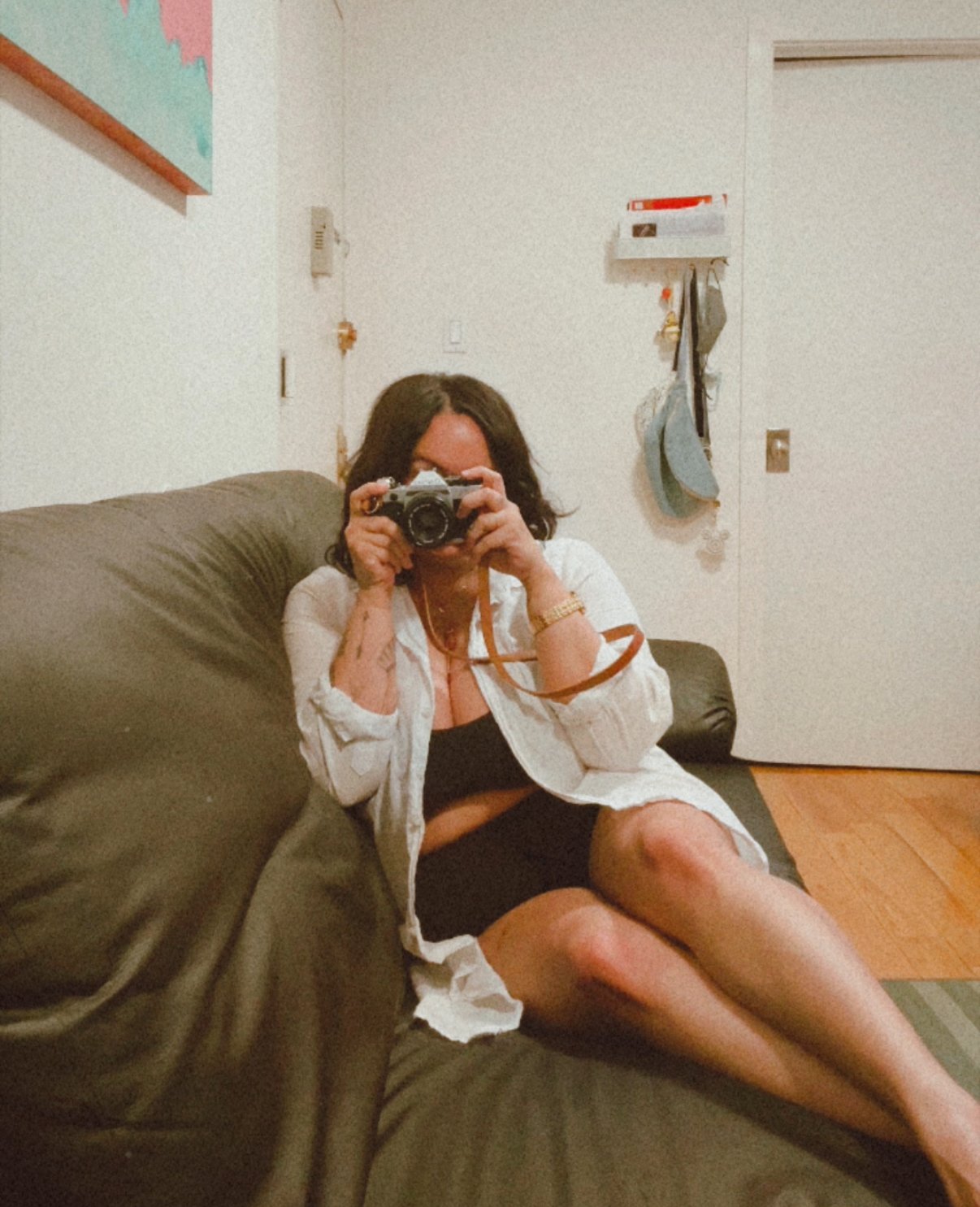
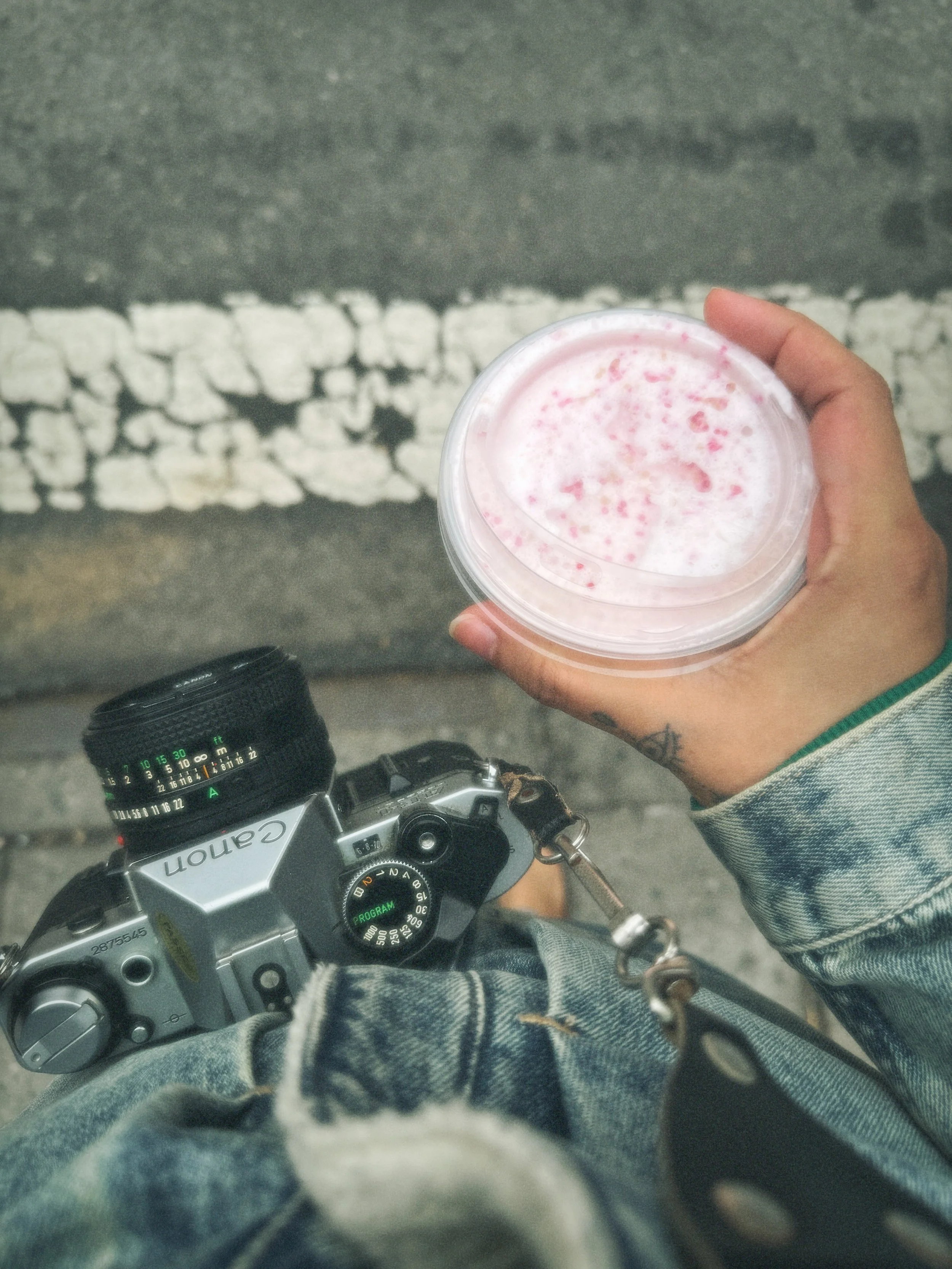
allow me to tell you a story…
In 1982, from what she lovingly told me, my mother acquired this beautiful Canon AE-1, and it forever changed the course of her life and mine in ways I can hardly articulate. So many of my cherished memories of her, our family, and our friends revolve around this incredible camera. She captured everything with it—every precious life moment of mine from when I was just a newborn right up until the early 2000s, documenting birthdays, quiet afternoons, holidays, and the small everyday moments that become priceless with time. Once cell phones became the norm and the convenience of digital photography took over, the camera was put away and stored safely. It gradually became a forgotten relic in the back of a closet until the heartbreaking day she passed away, when its quiet presence in that dark corner suddenly felt like a tangible piece of her I could still hold.
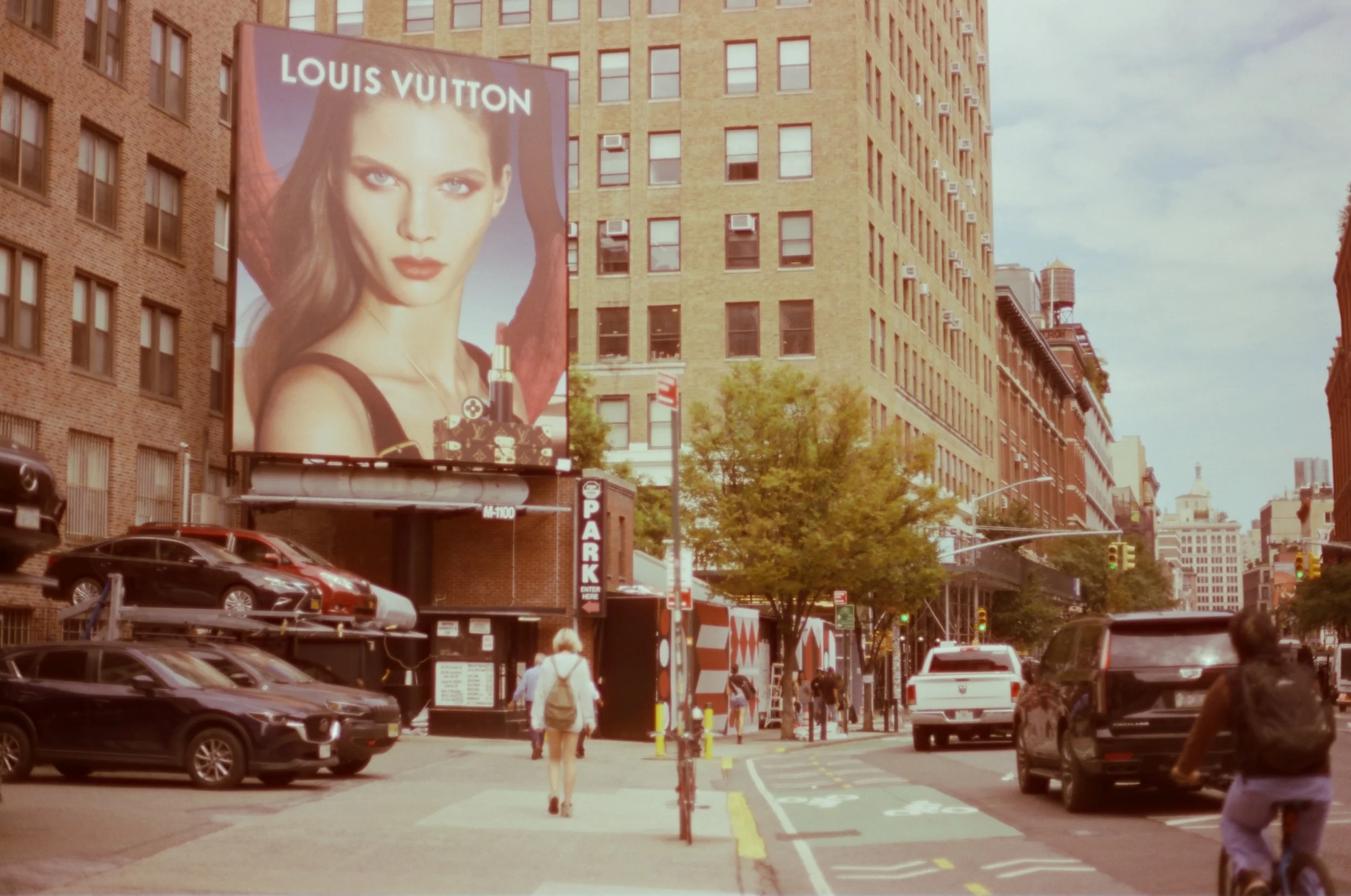
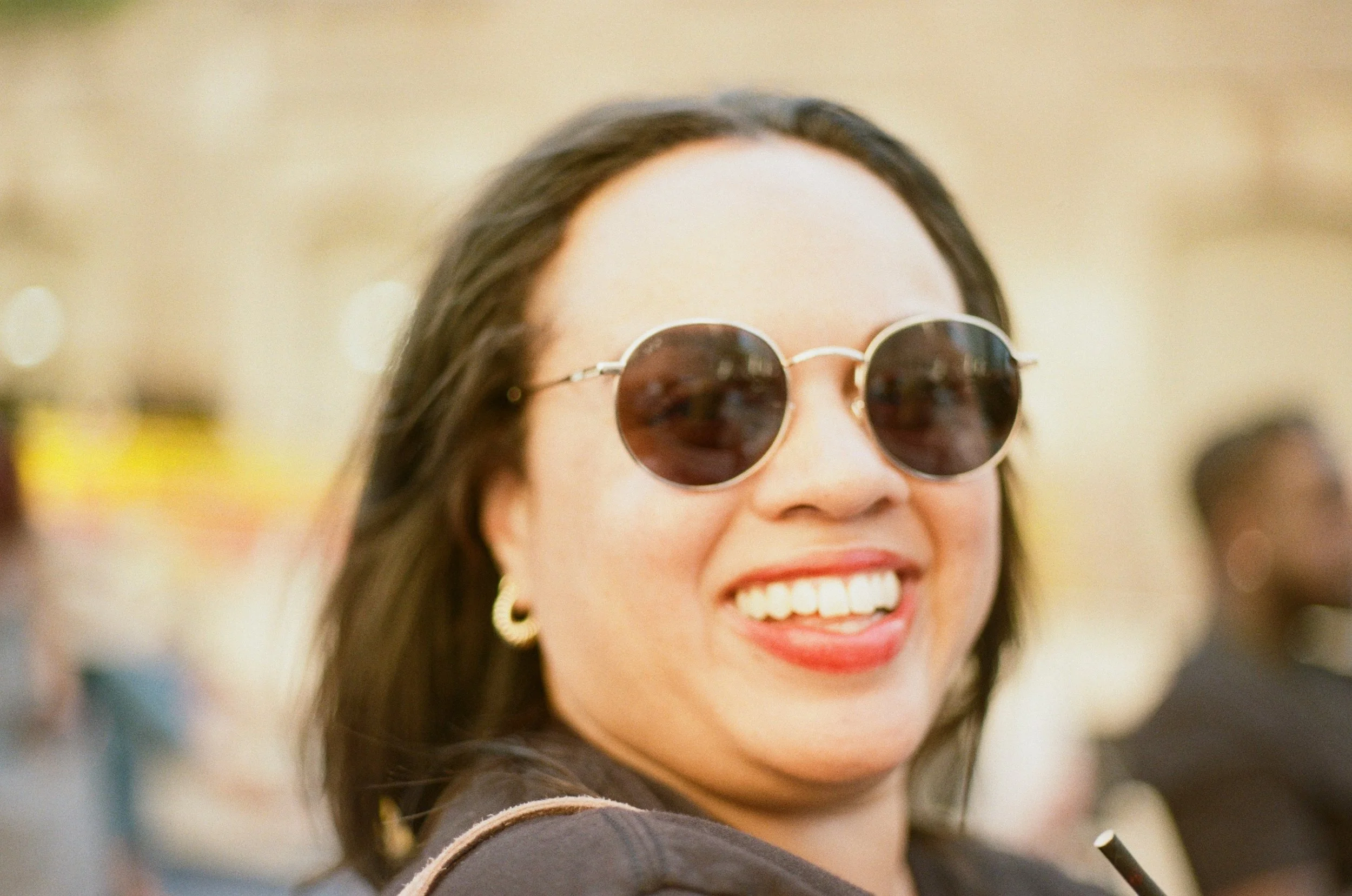

When she died, I spent a significant portion of 2024 cleaning out her apartment. It was one of the strangest experiences of my life because nothing is quite like being surrounded by someone's entire existence while also having to accept that they are no longer here. Every drawer, every closet, every shelf seemed to hold some little piece of her. I remembered some things, forgot others, and found things I had never seen before. Some days I could approach it almost like a project: sort this, donate that, keep these things. Other days, I would open a drawer and suddenly be completely overwhelmed by a memory.
Grief has a funny way of making ordinary objects feel sacred.
A sweater isn't just a sweater anymore. A handwritten note isn't just a note. A perfume bottle, a book, a photograph, a random little trinket that probably wouldn't mean anything to anyone else can suddenly feel like a direct connection to a person who is no longer physically here. You start realizing that you're not really sorting through things. You're sorting through someone's life.
And somewhere in all of that, I found this old camera.
It was tucked away in a box, and I remember immediately knowing that I wanted to keep it. There wasn't really a debate in my mind. I didn't know if it worked. I didn't know how old it was. I didn't even know what I would eventually do with it. I just knew that it had belonged to her, that she had loved photography, and that this little object had once been something she used to look at the world.
That was enough for me.
I brought it home and, eventually, started working on it.
What began as a small restoration project became something much more emotional than I expected. I cleaned it, figured out what needed repairing, and slowly tried to bring it back to life. There was something oddly comforting about taking care of it. Maybe because so much of losing someone is about things being completely outside of your control. You can't fix what happened. You can't go back. You can't make another memory with them. You can't ask one more question.
I could clean this little camera. I could learn how it worked. I could be patient with it. I could see if I could get it functioning again.
And maybe, in some tiny way, I could give something that belonged to her another chapter.
I've spent a lot of the past few years thinking about creativity and what it means to actually make a life around the things you love. So much of what I do now—photography, writing, making videos, documenting New York, wandering around the city with a camera or a phone, noticing little details that other people might walk right past—is rooted in this desire to pay attention.
To remember.
To make something out of an ordinary Tuesday.
To say, this moment mattered enough for me to capture it.
And I think that's part of why finding her camera affected me so deeply. Photography wasn't just something she enjoyed. It was another way of preserving pieces of life. And in my own way, that's what I find myself doing now, too.
Maybe that's one of the things we inherit from the people we love without even realizing it.
Not necessarily their possessions, but their way of seeing.
Last week, after all this time, I finally took the camera out for its first test shots.
And I was completely unprepared for what happened.
I expected to be excited. I expected to feel proud that I had gotten it working. I expected the experience to feel nostalgic. What I didn't expect was to be standing there taking photographs and suddenly crying.
A lot.
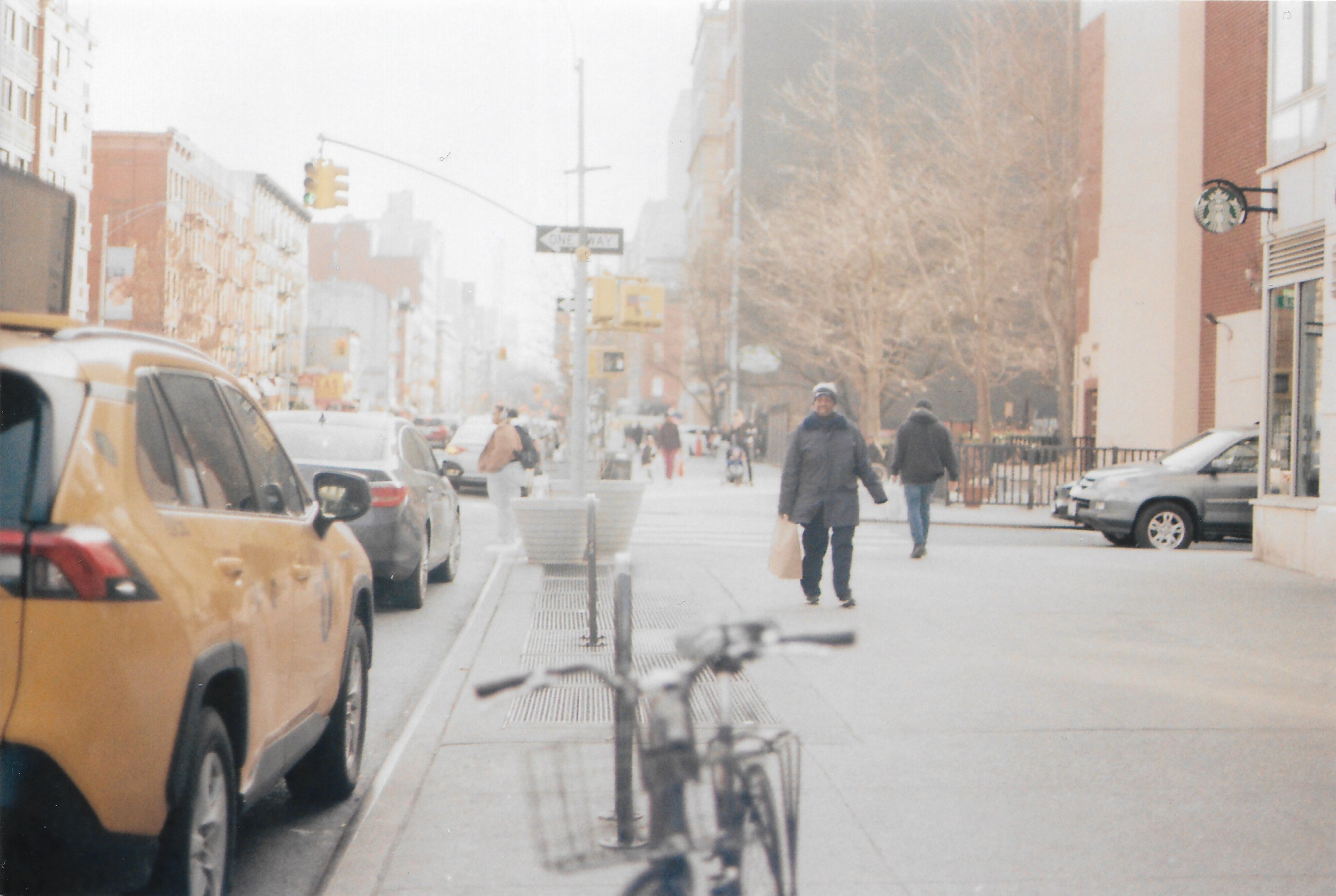
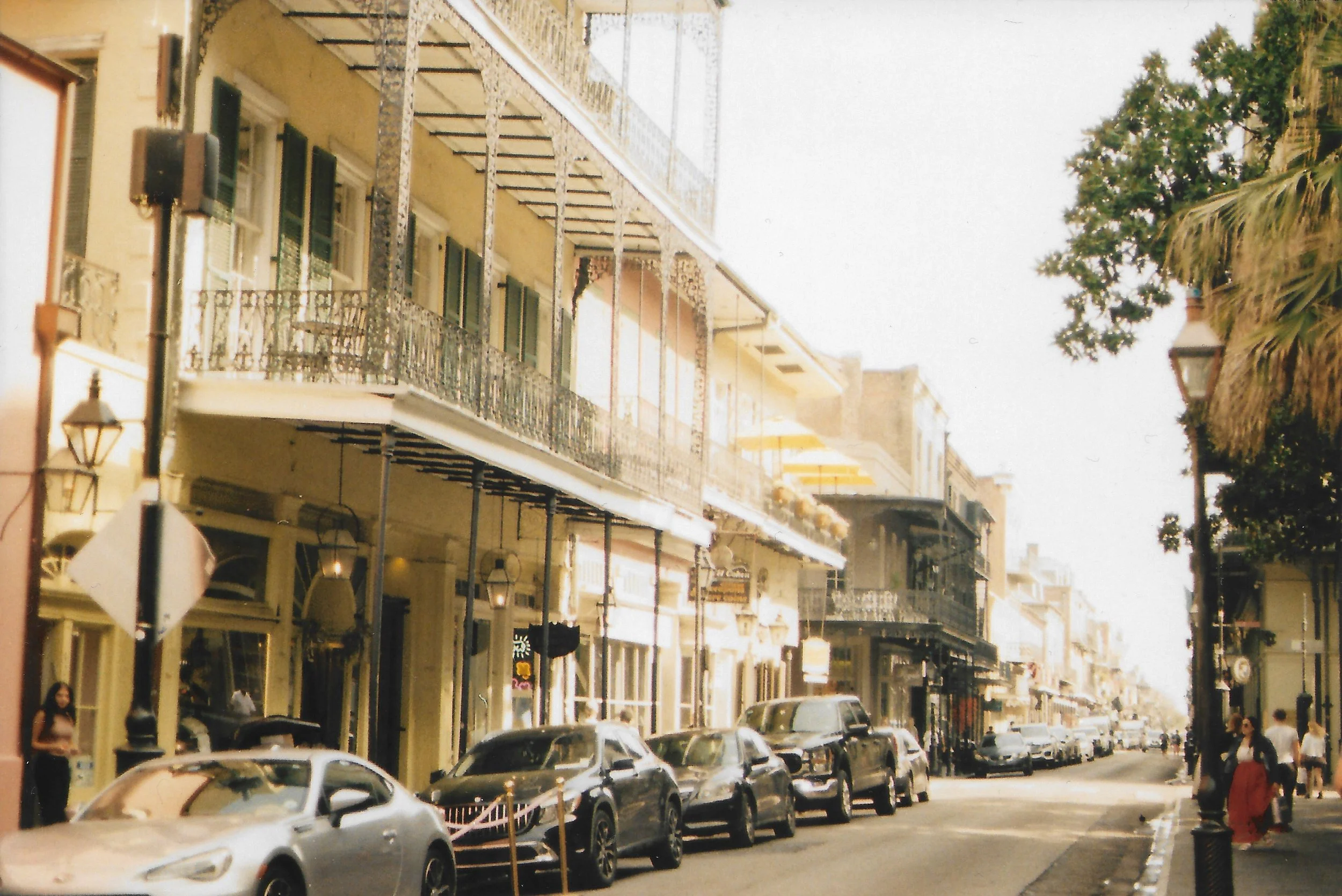
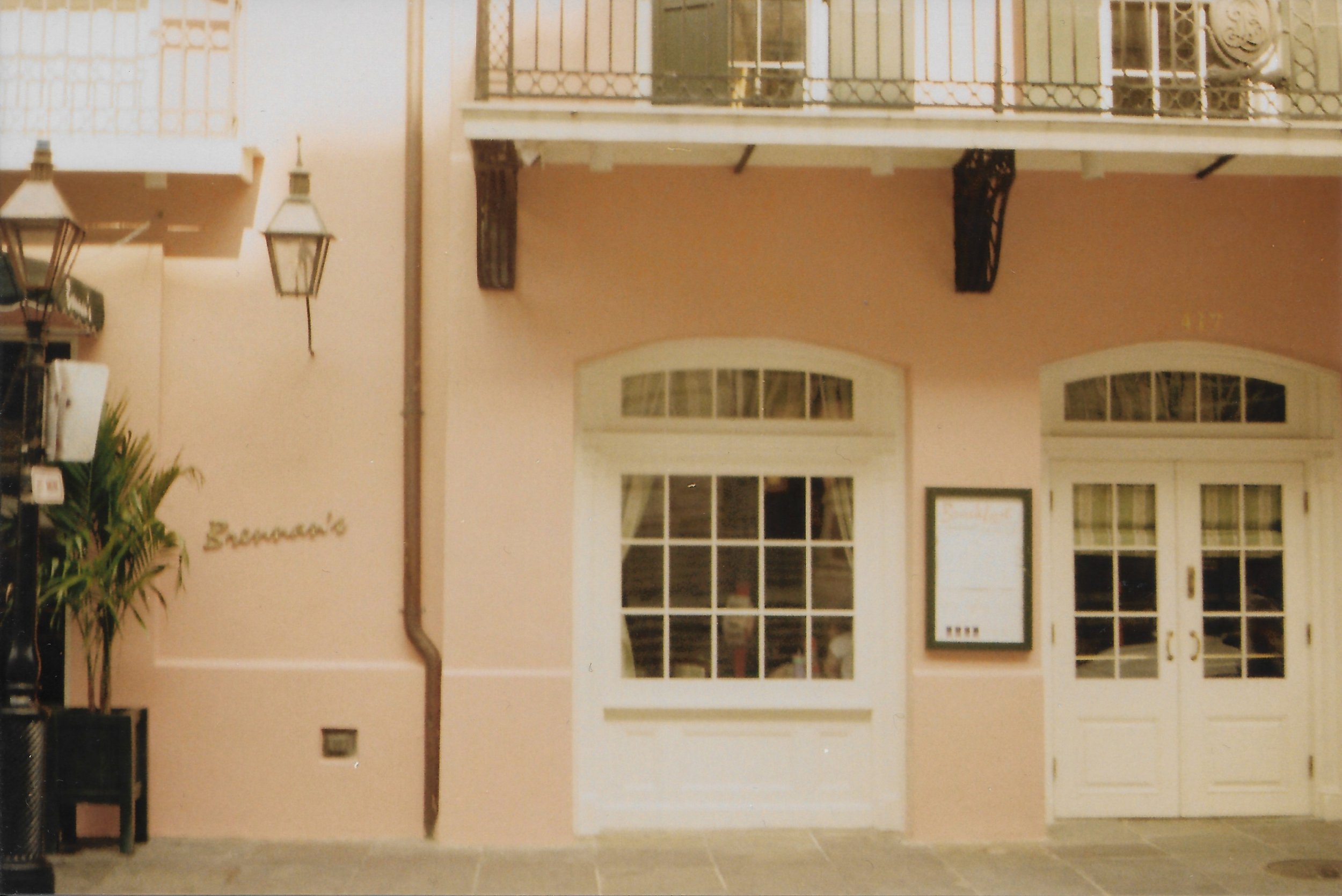
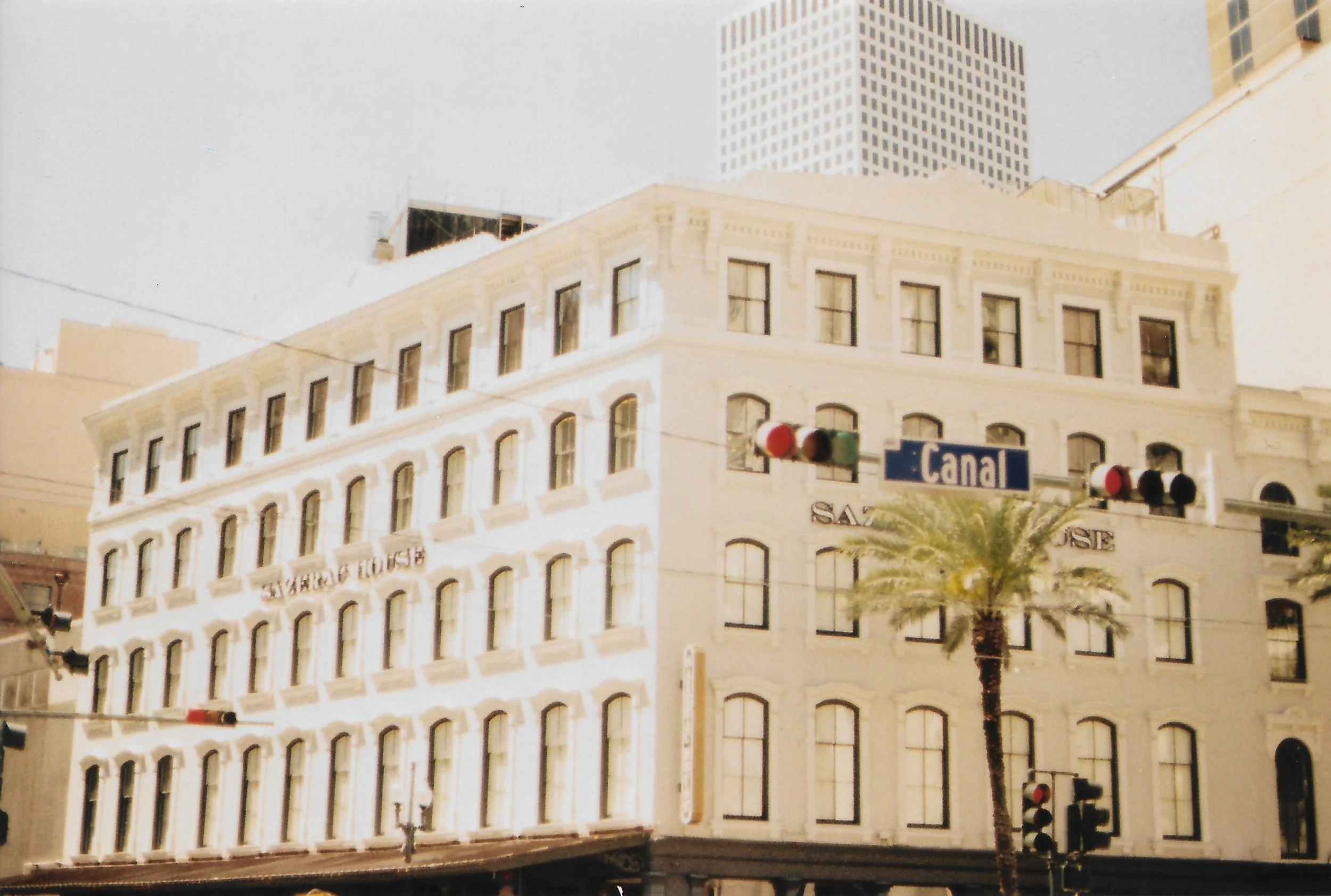
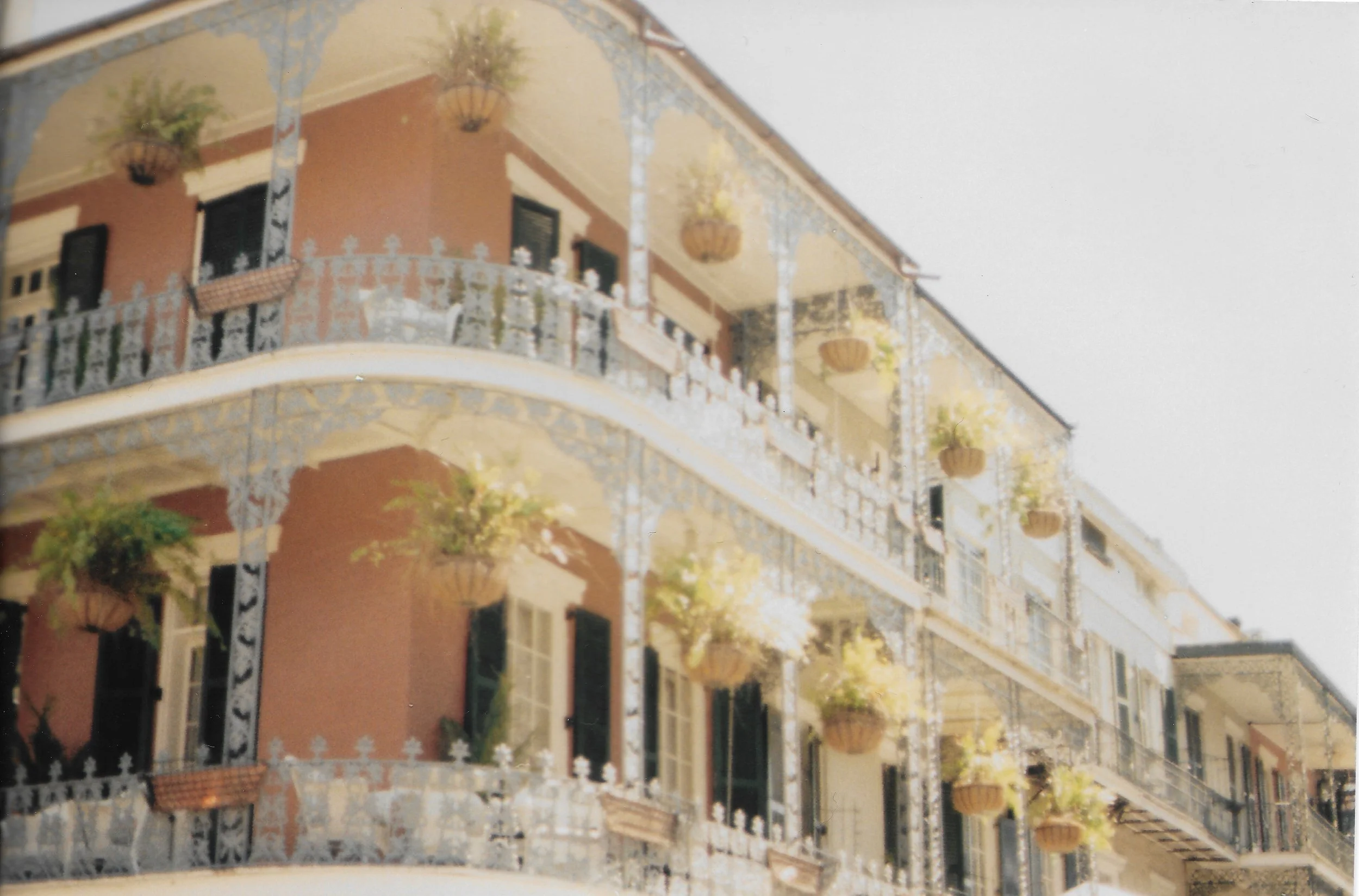
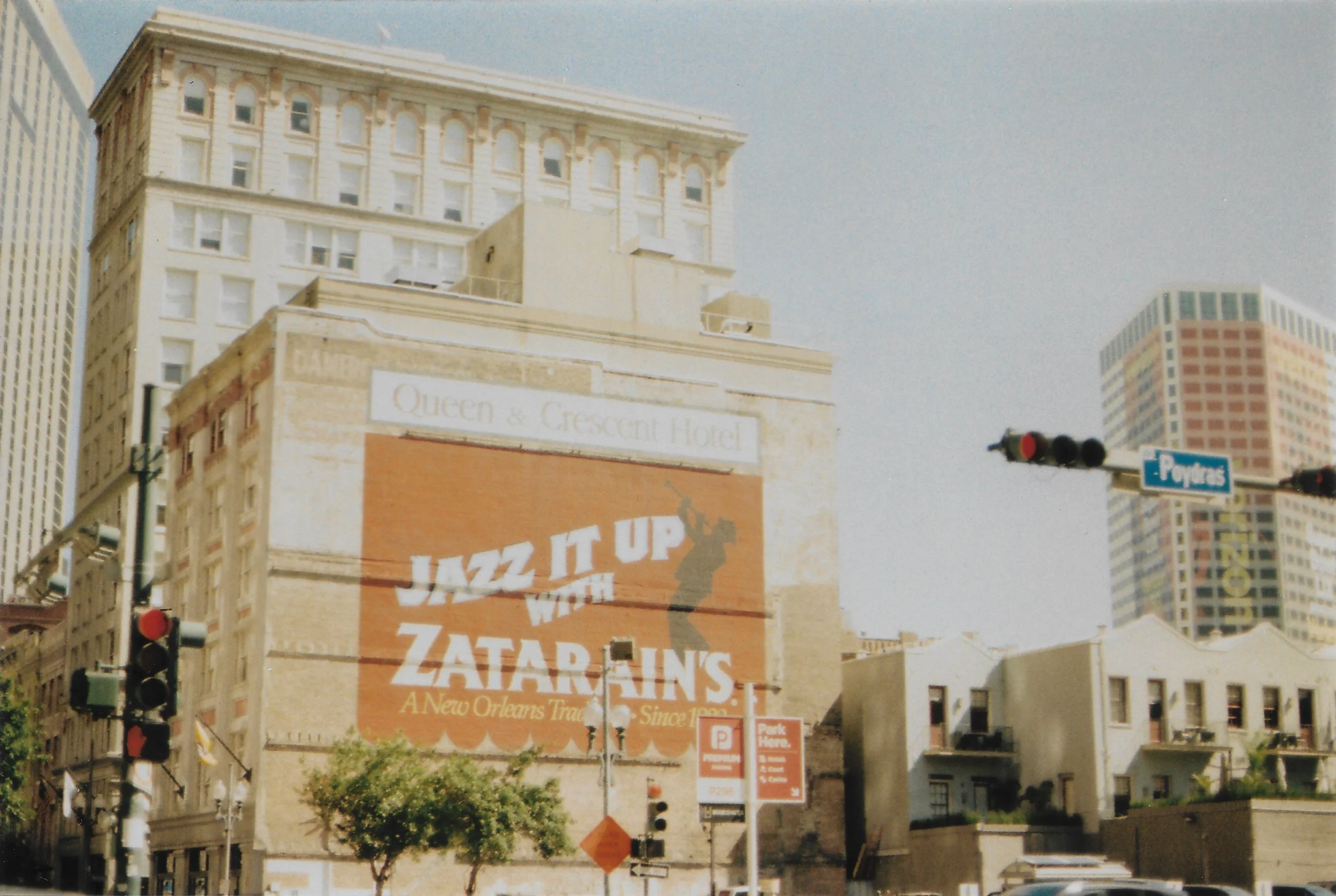
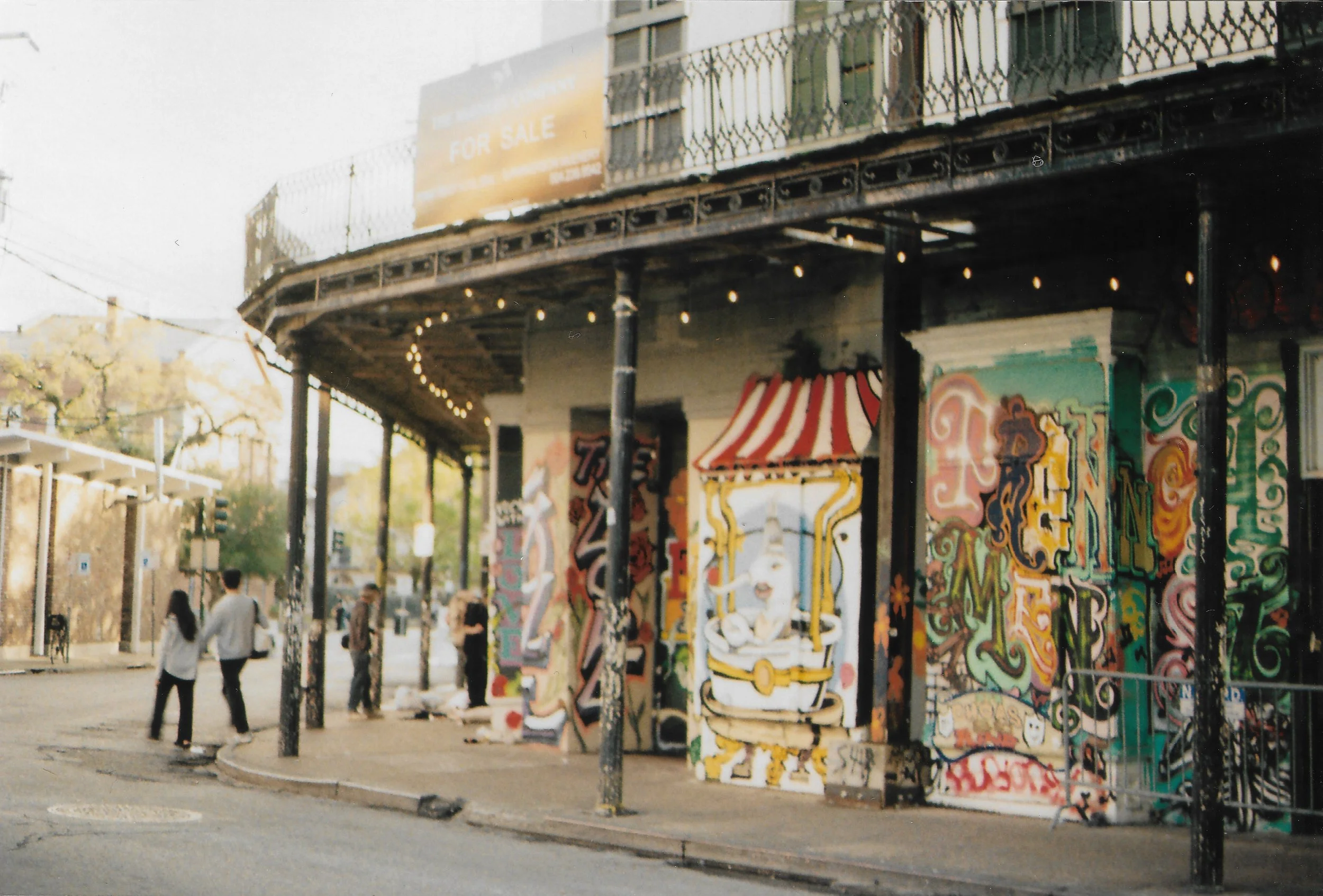
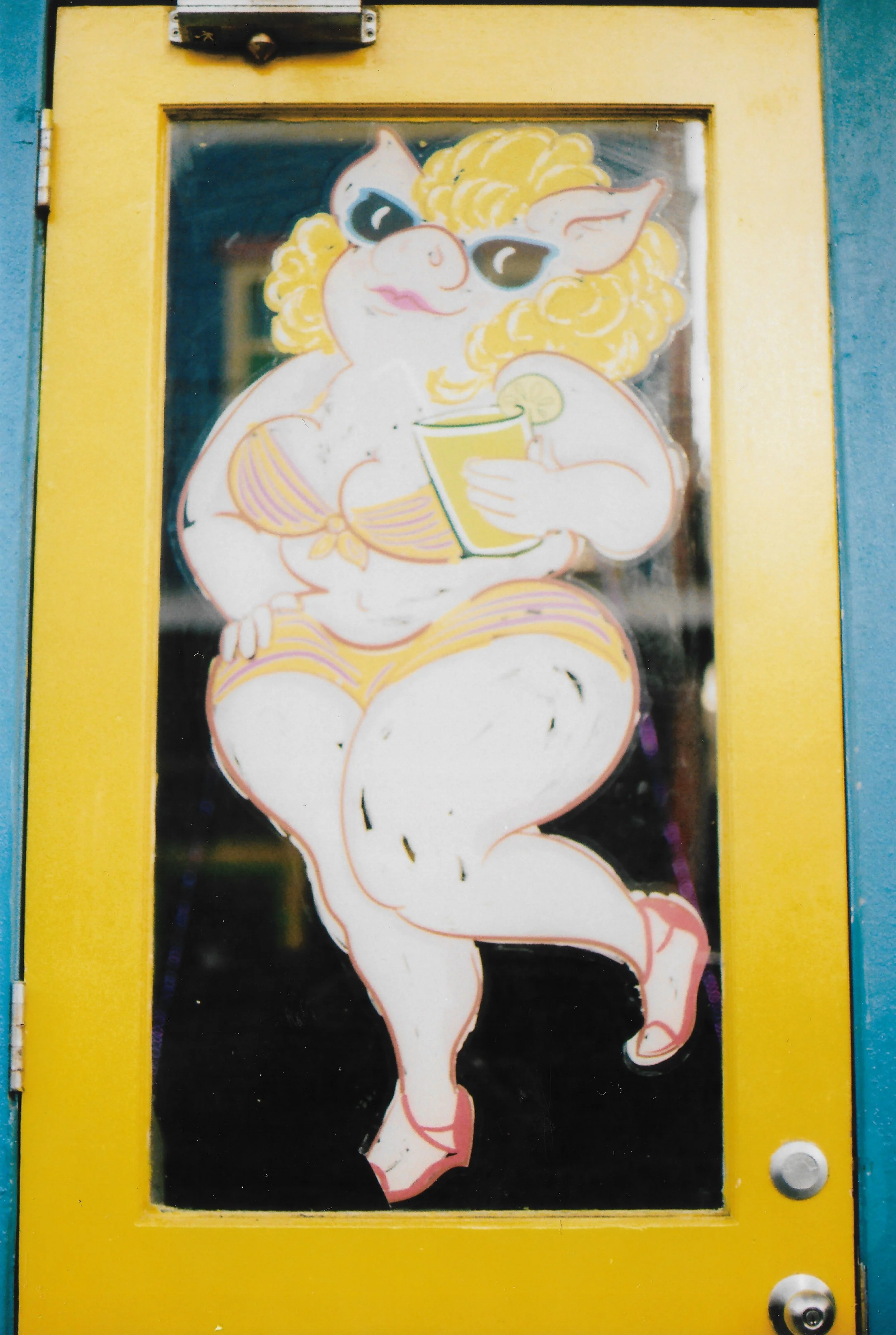
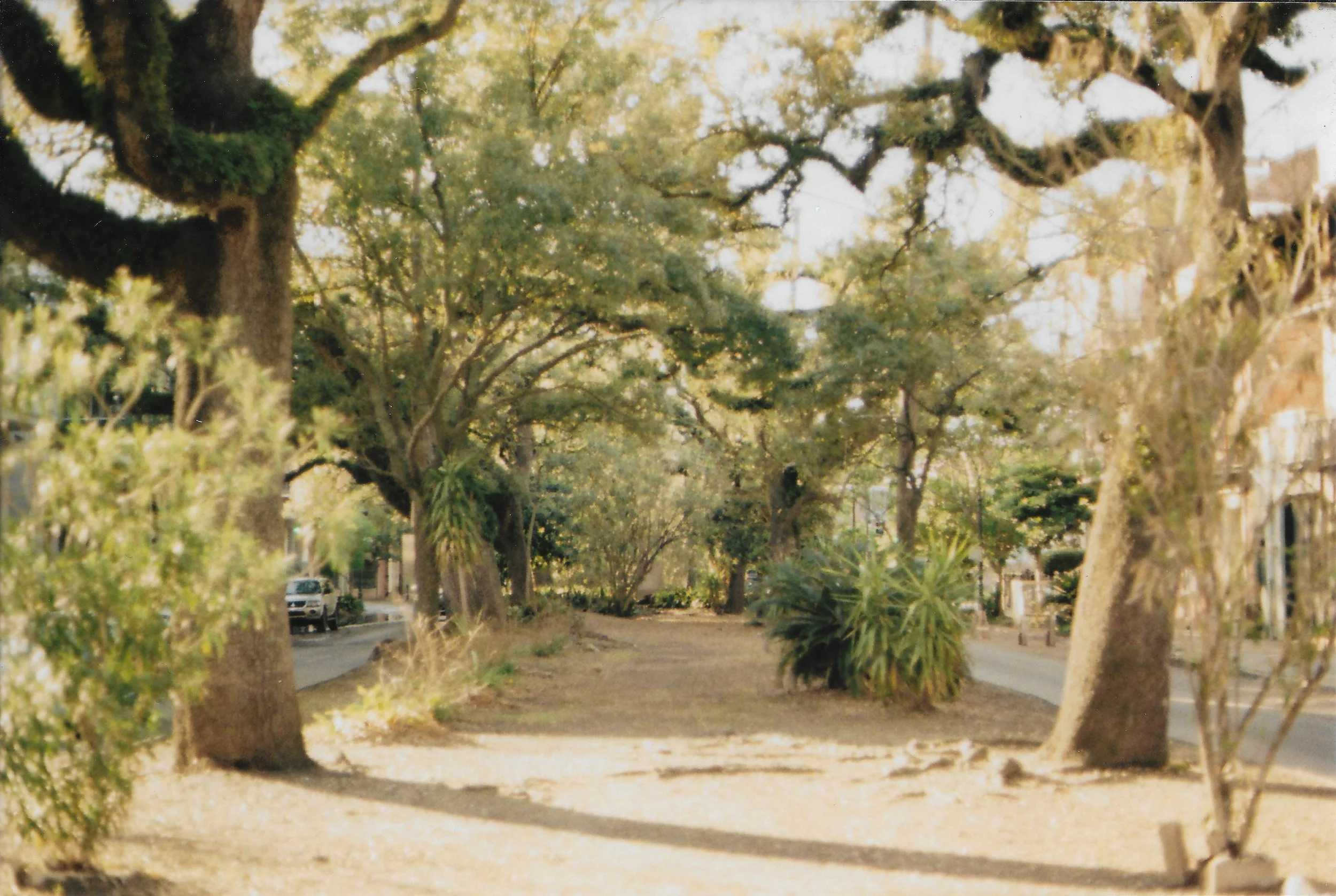
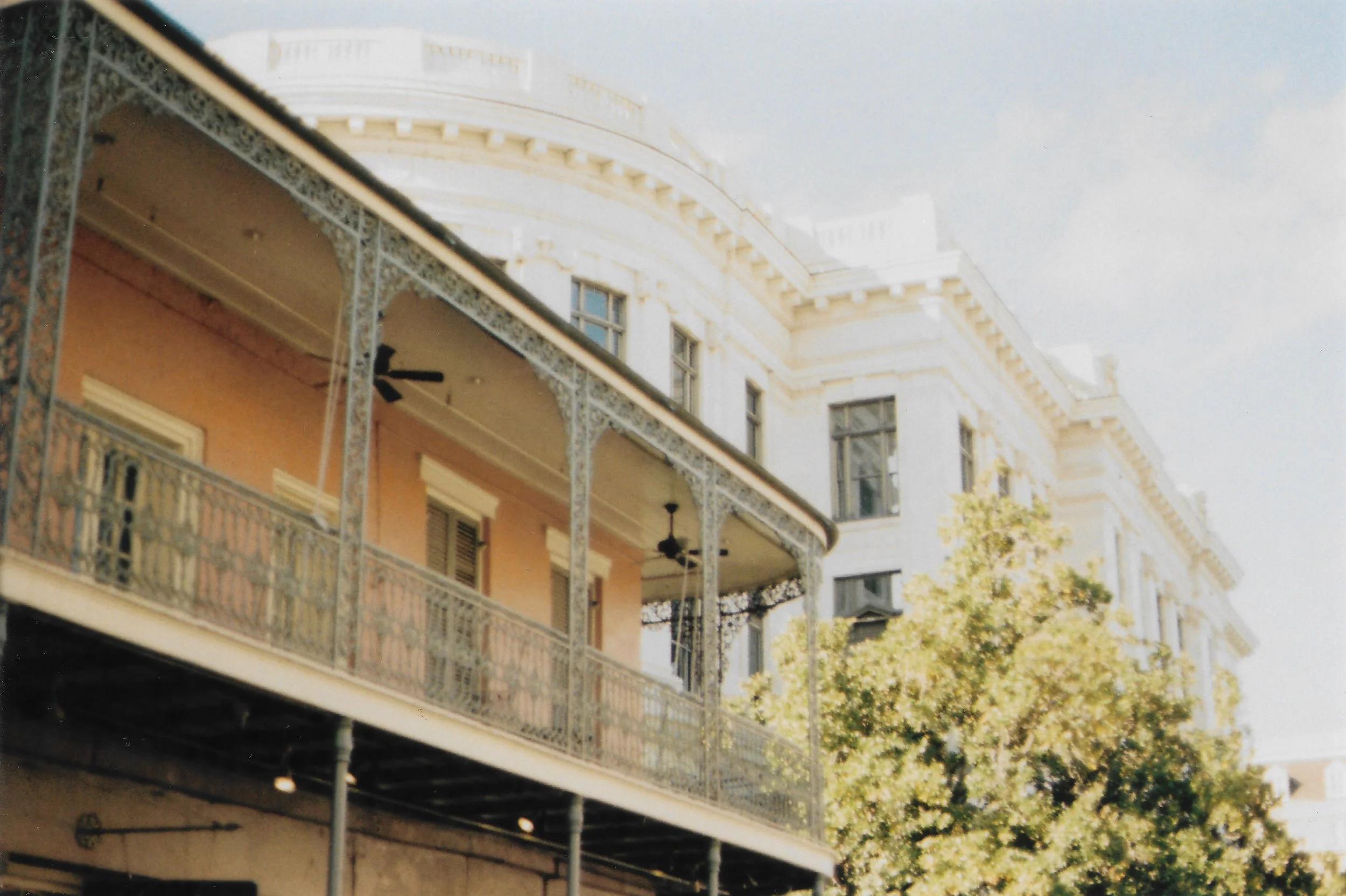
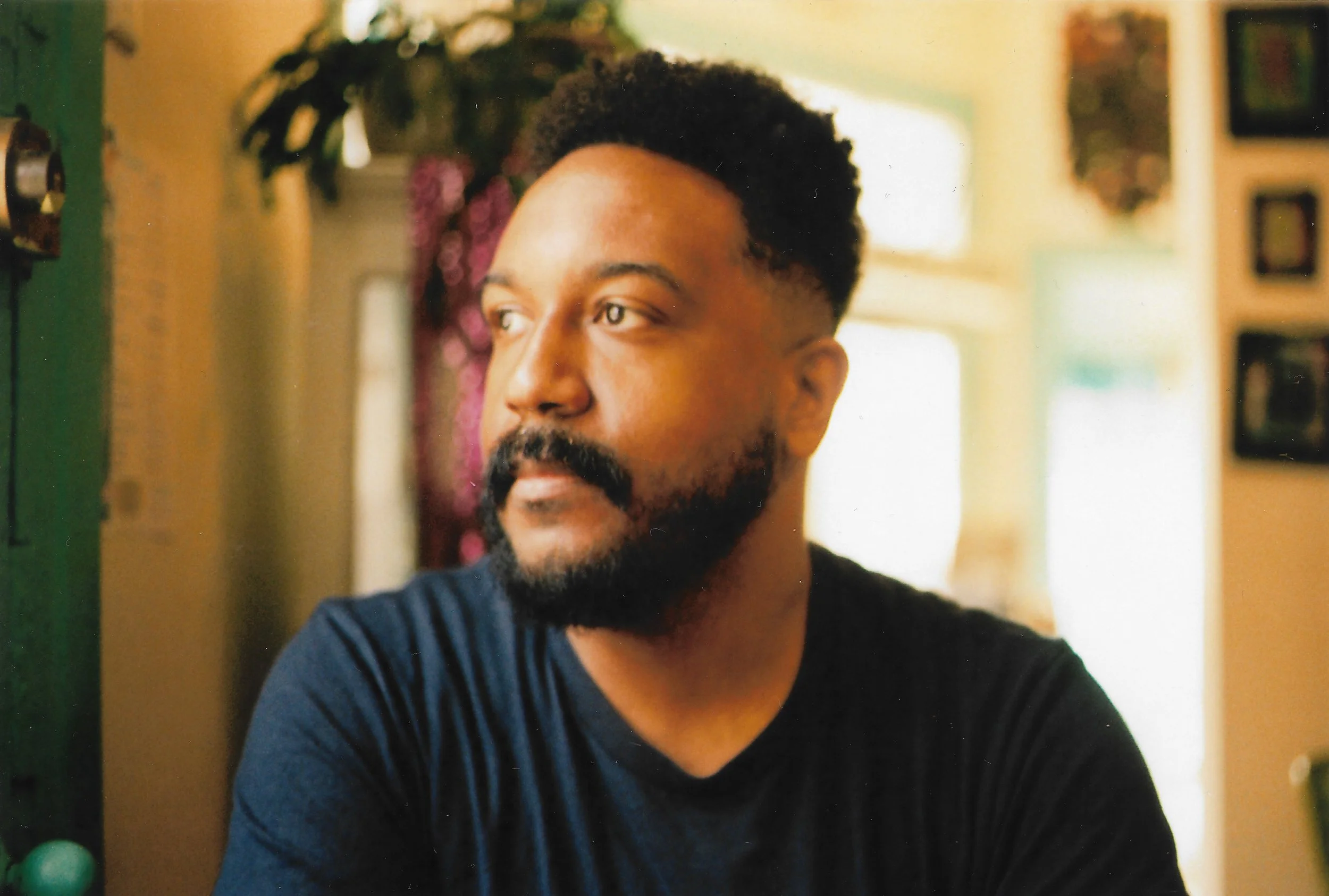
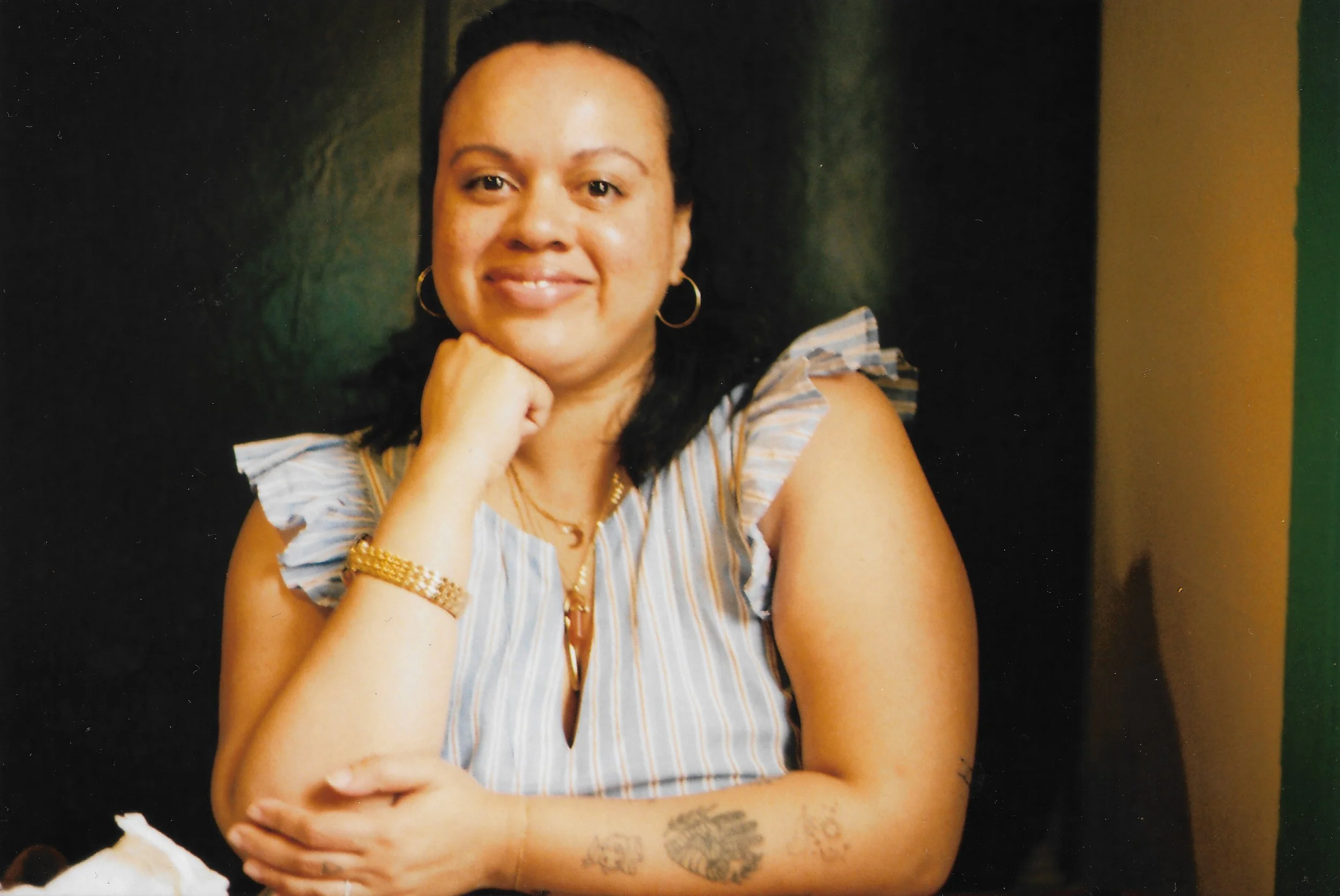
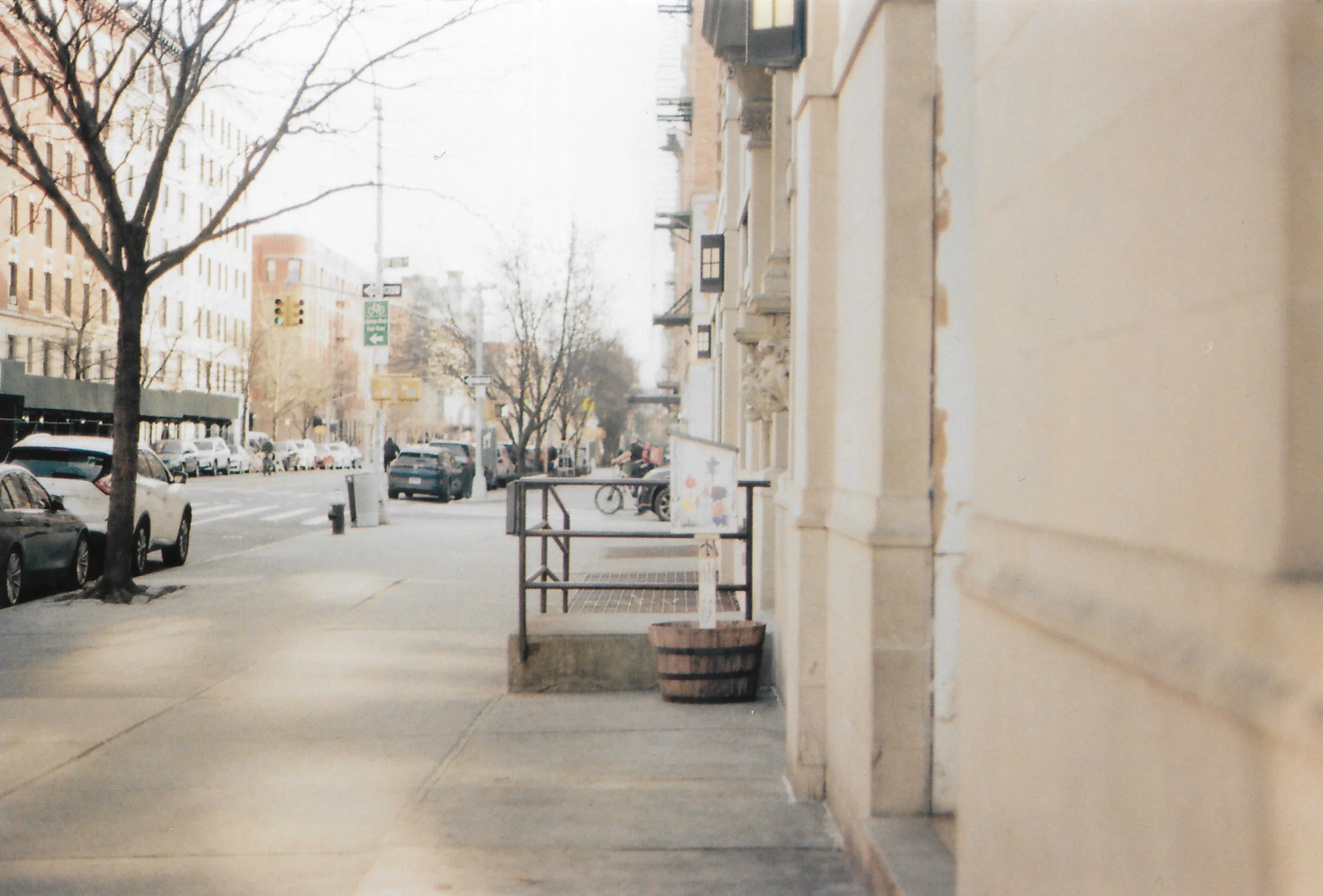
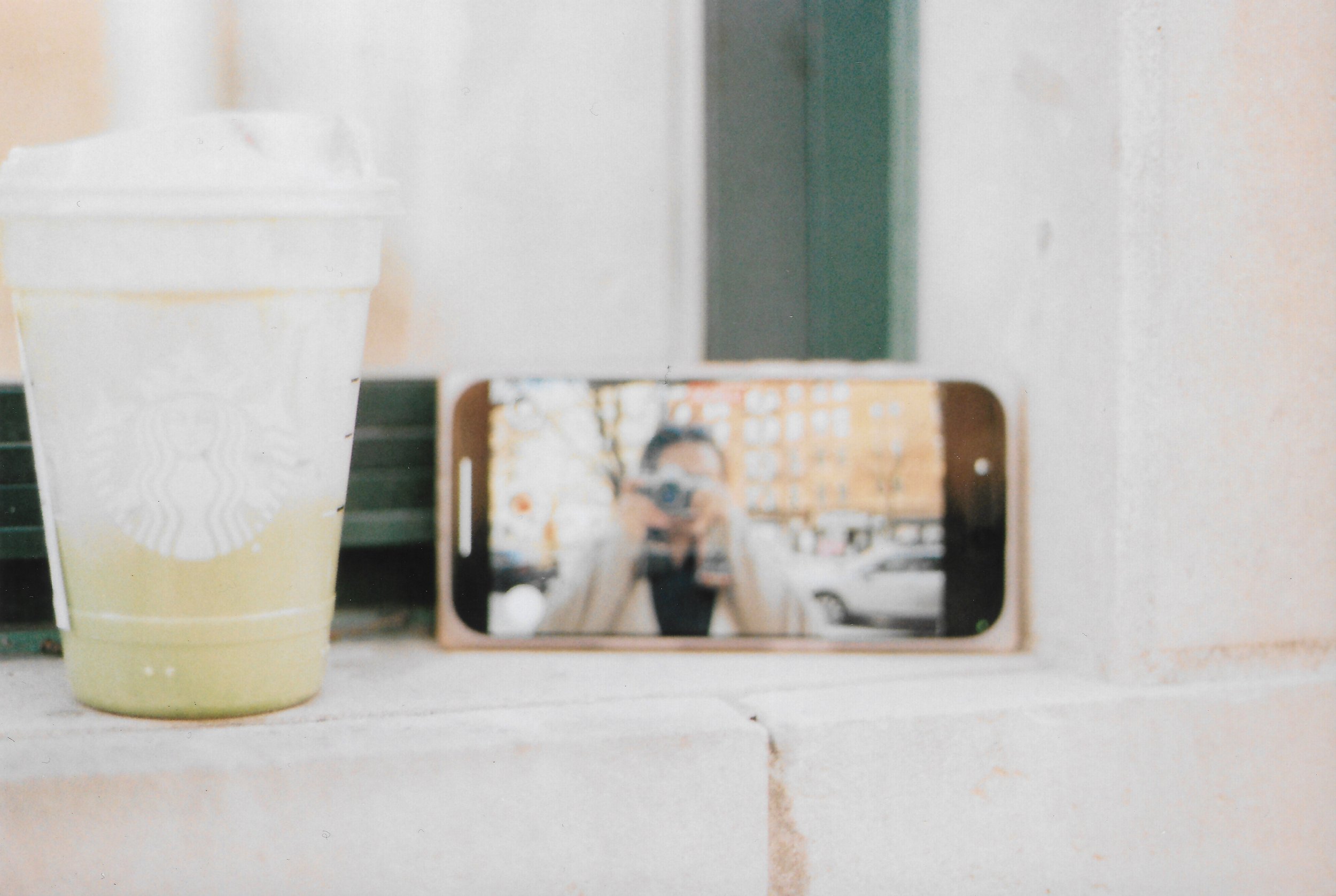
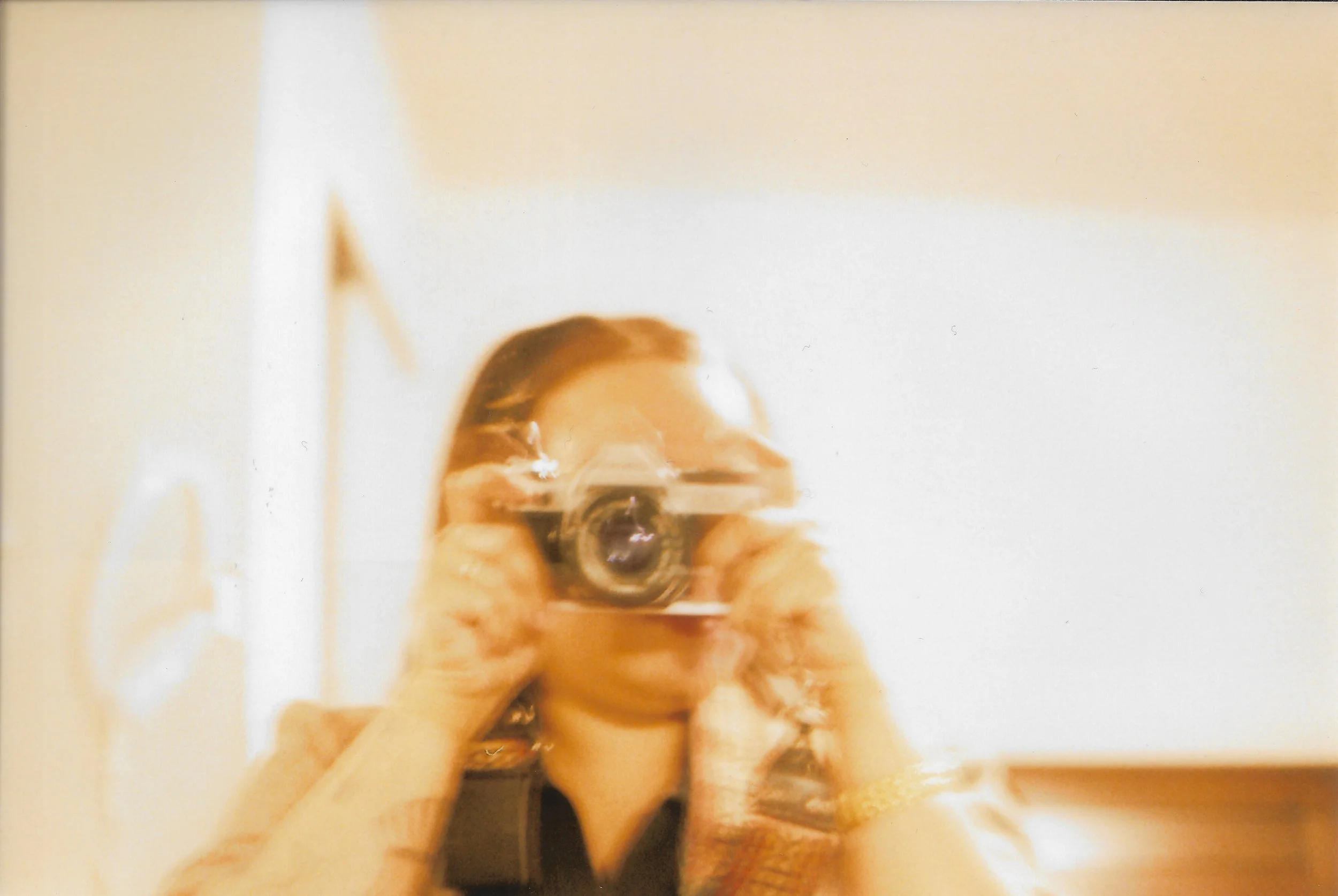
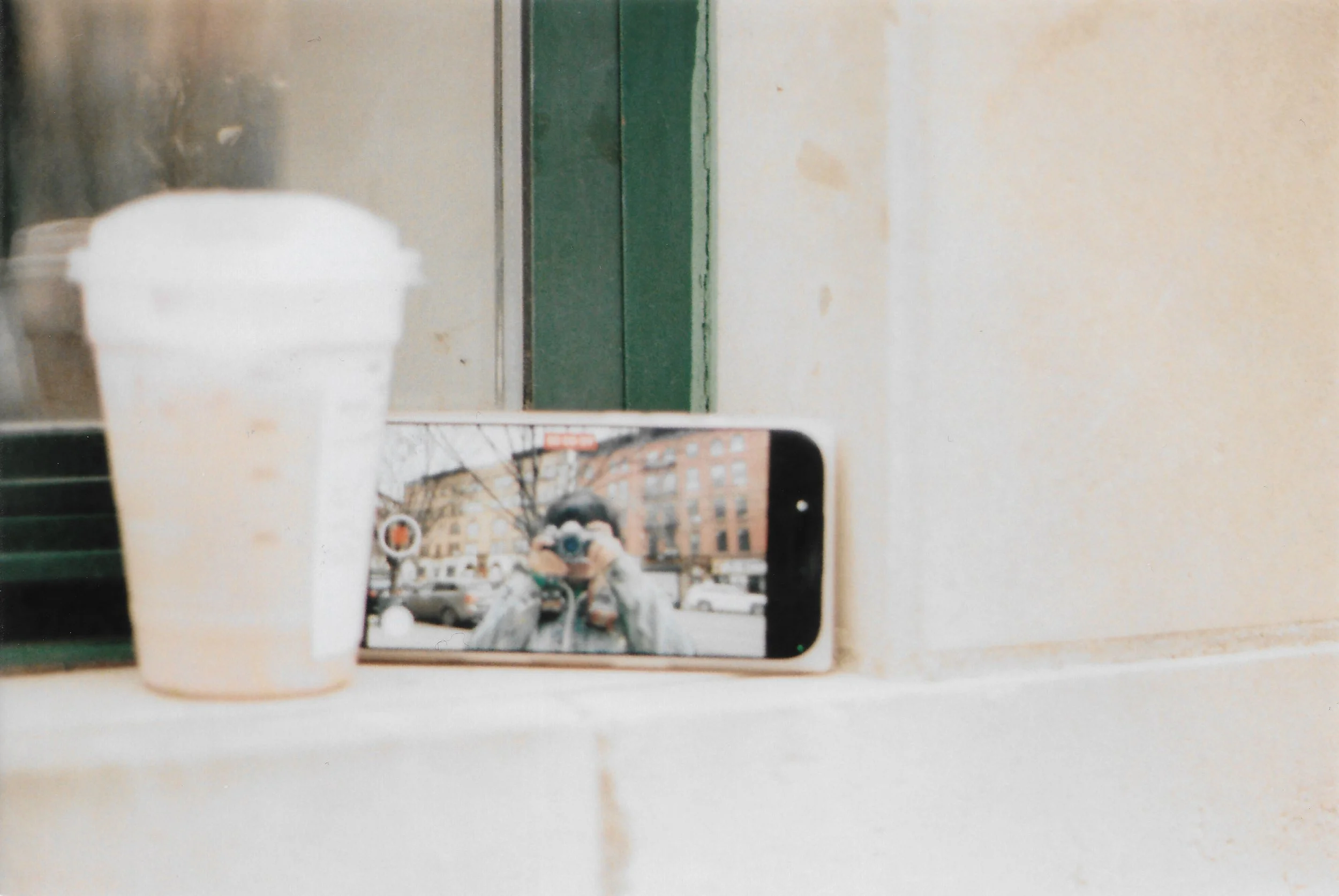
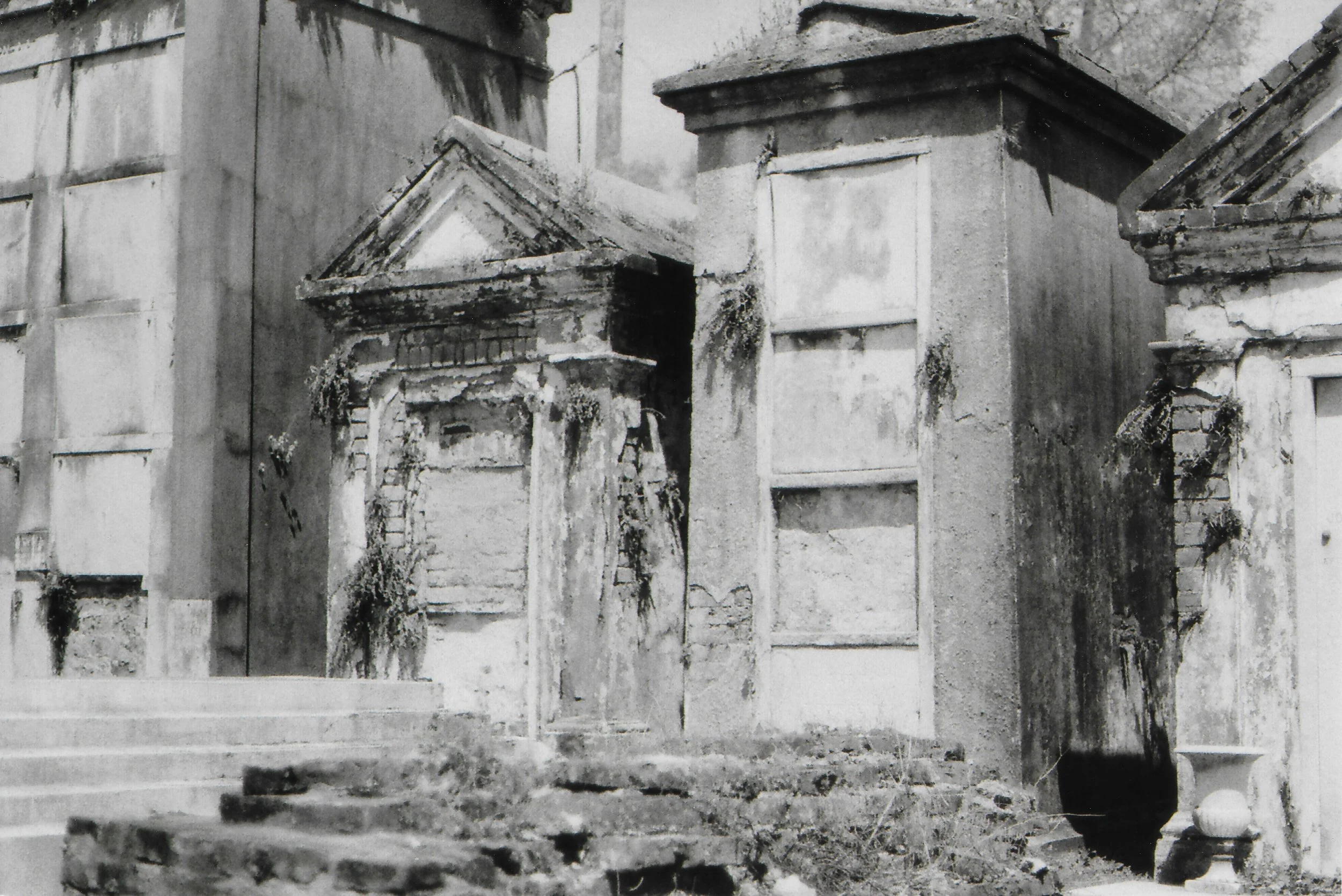
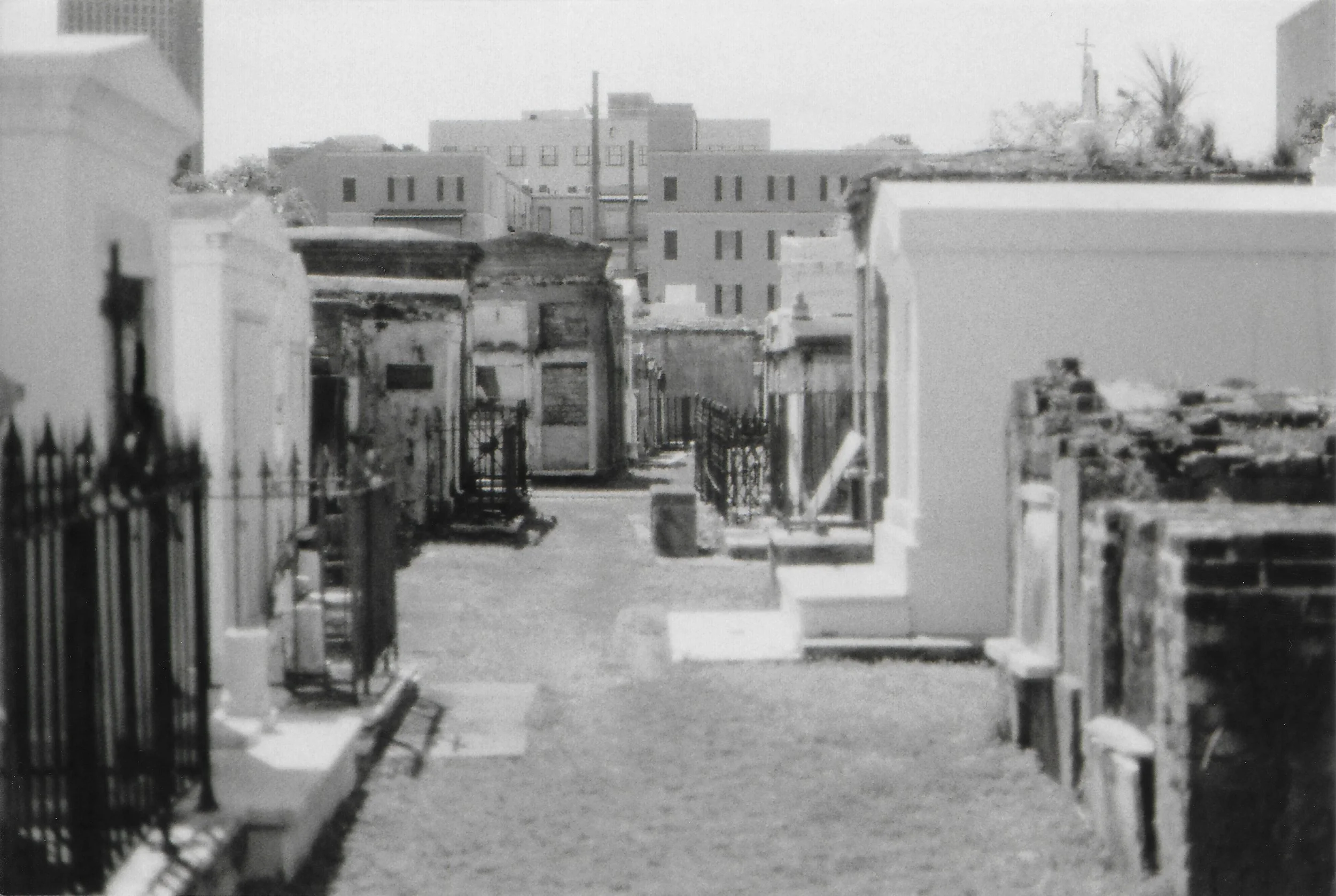
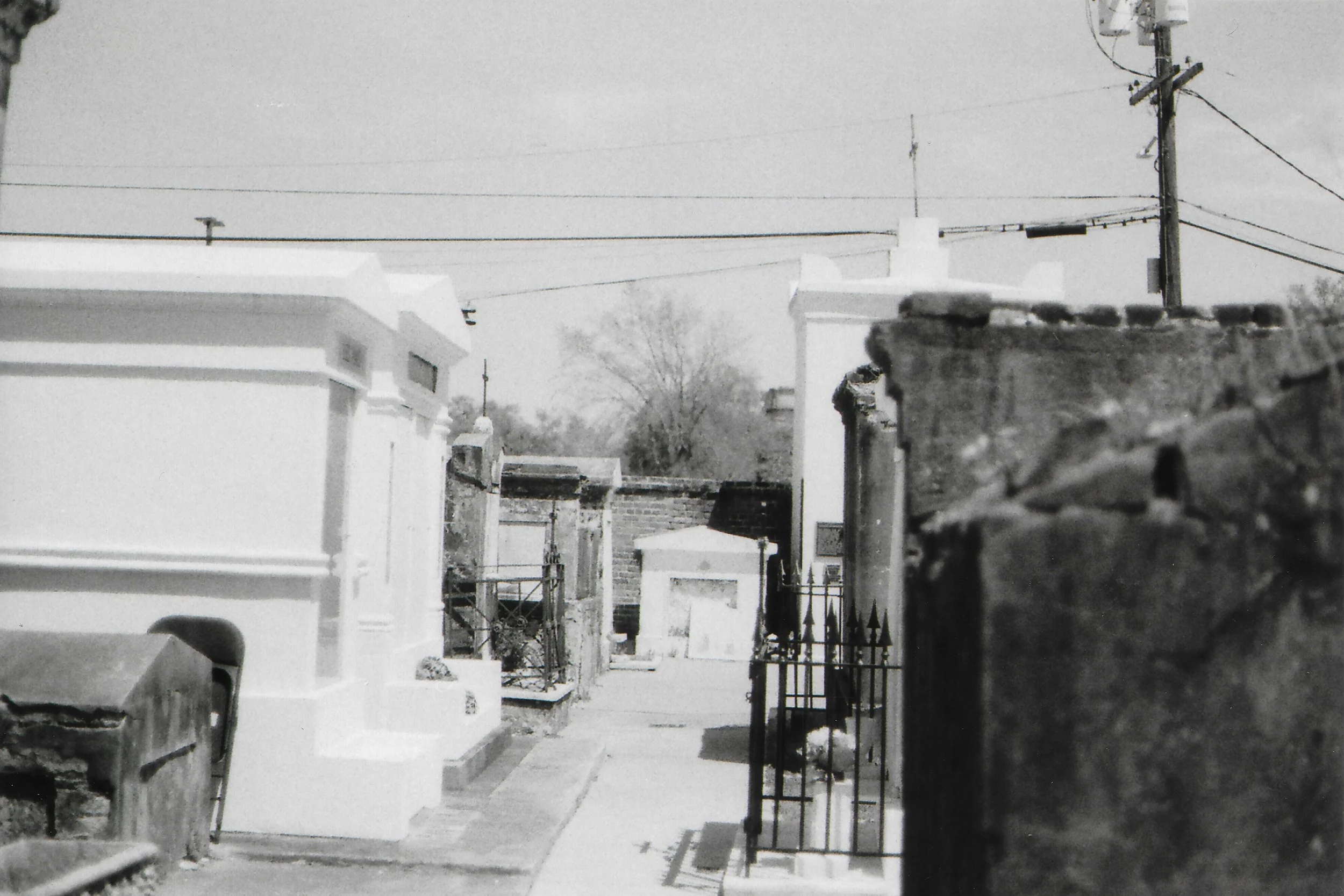
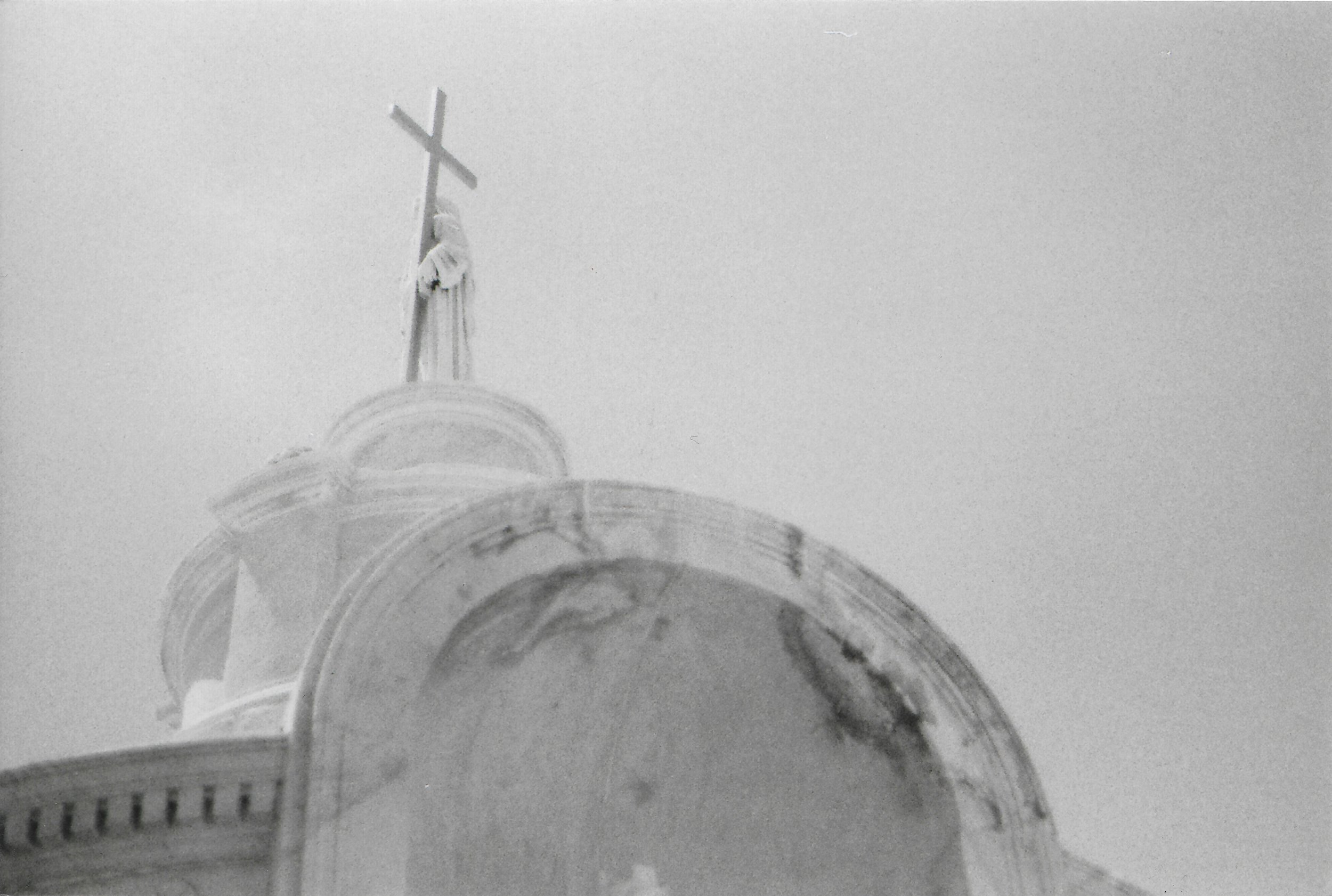
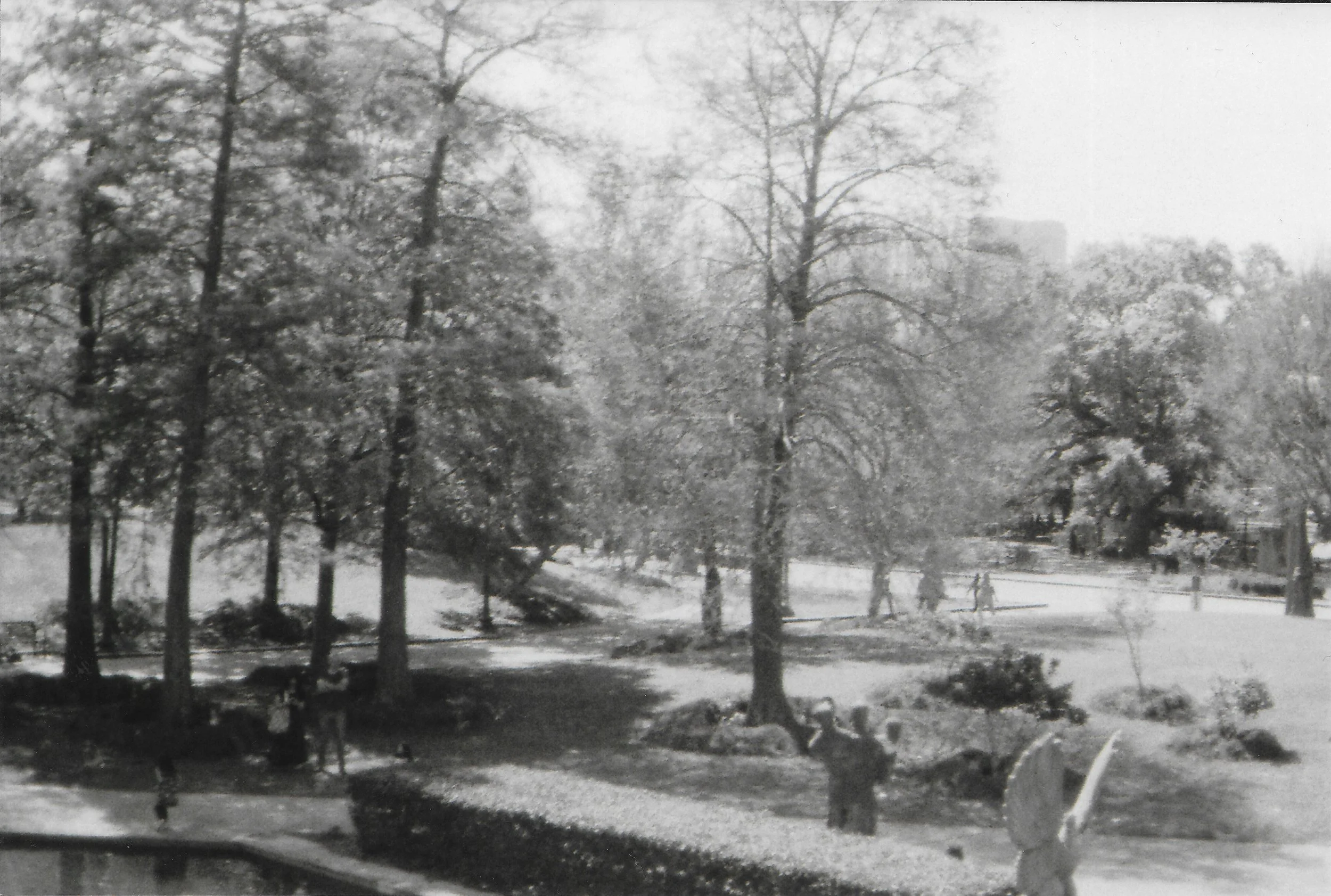
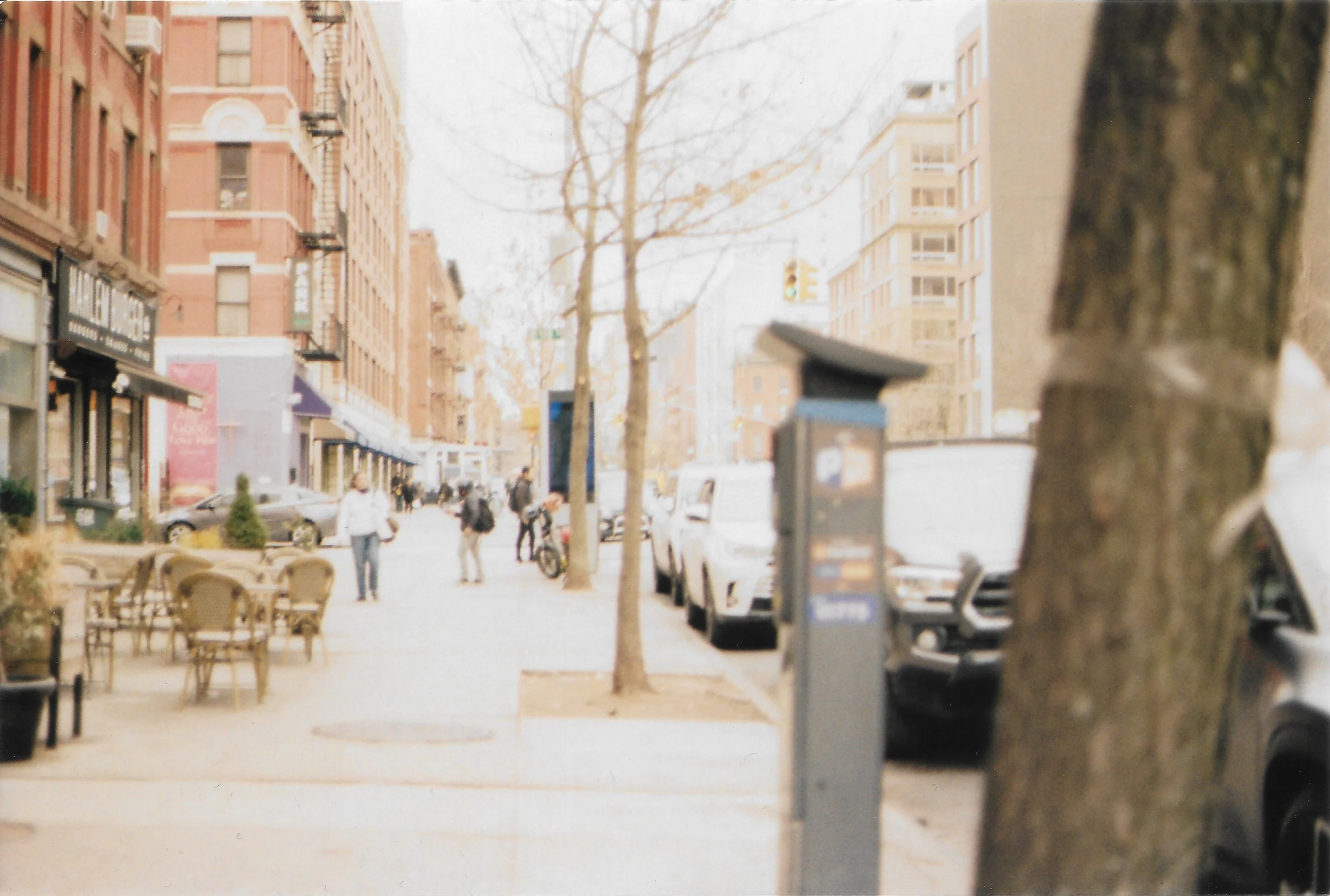
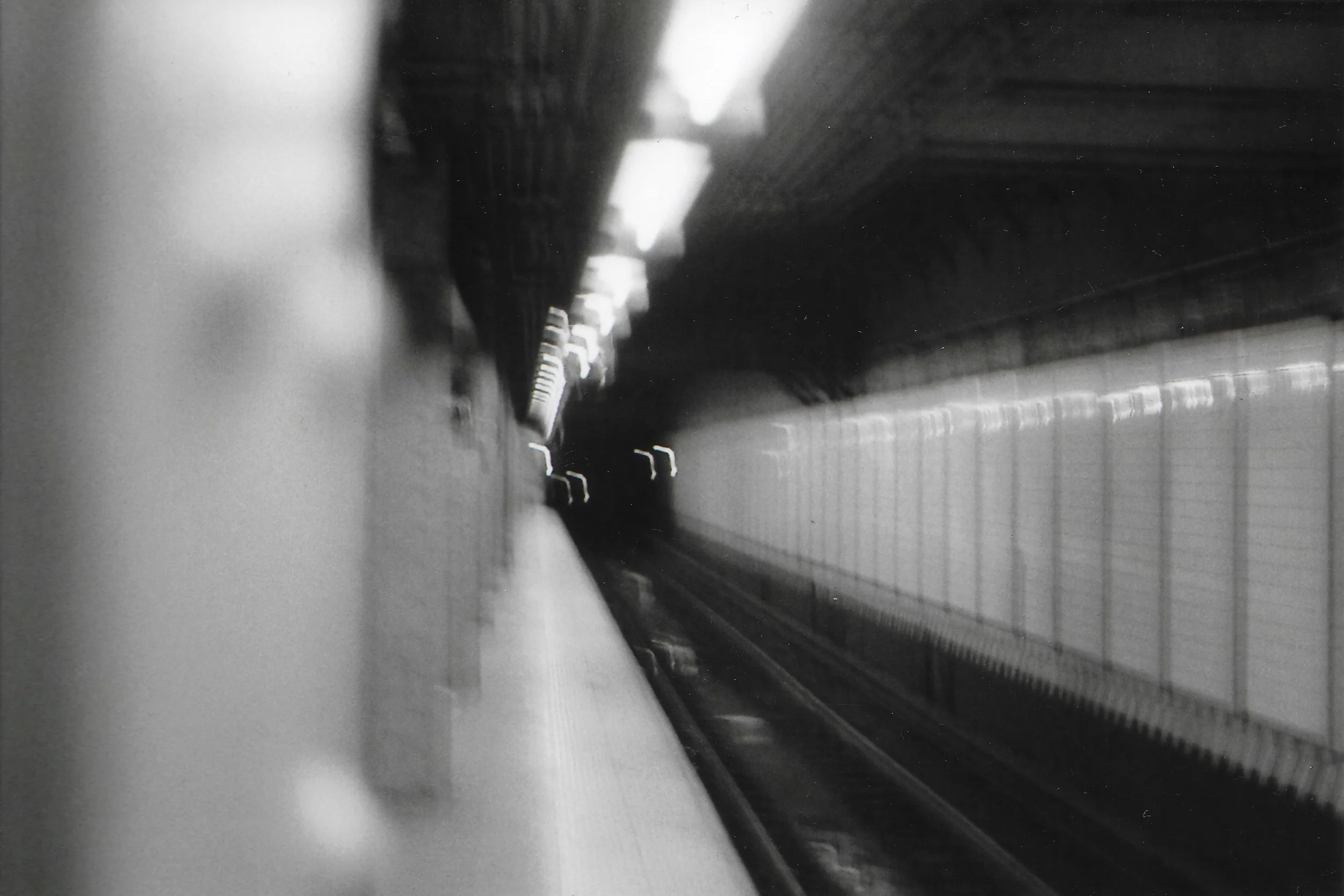
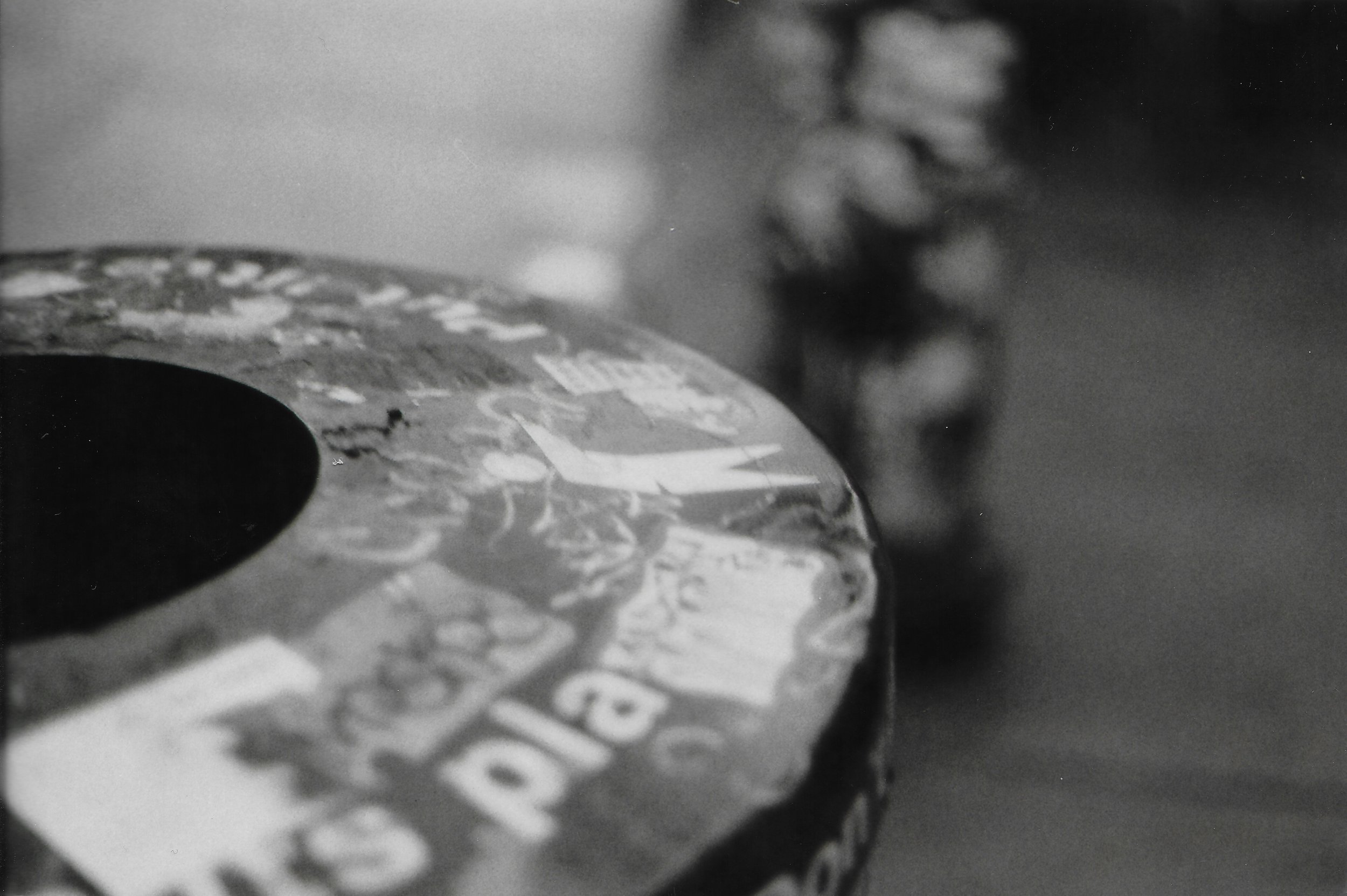
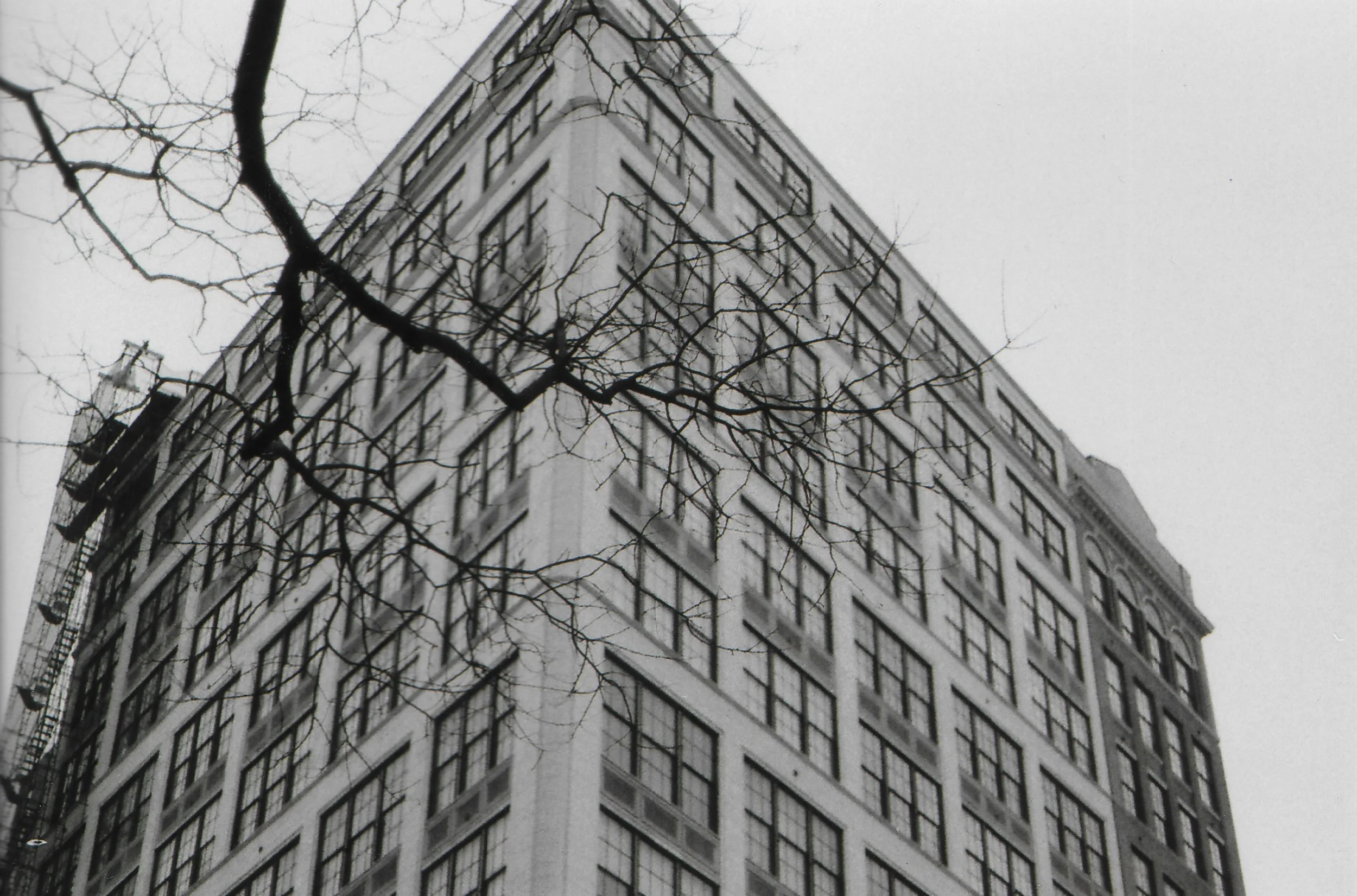
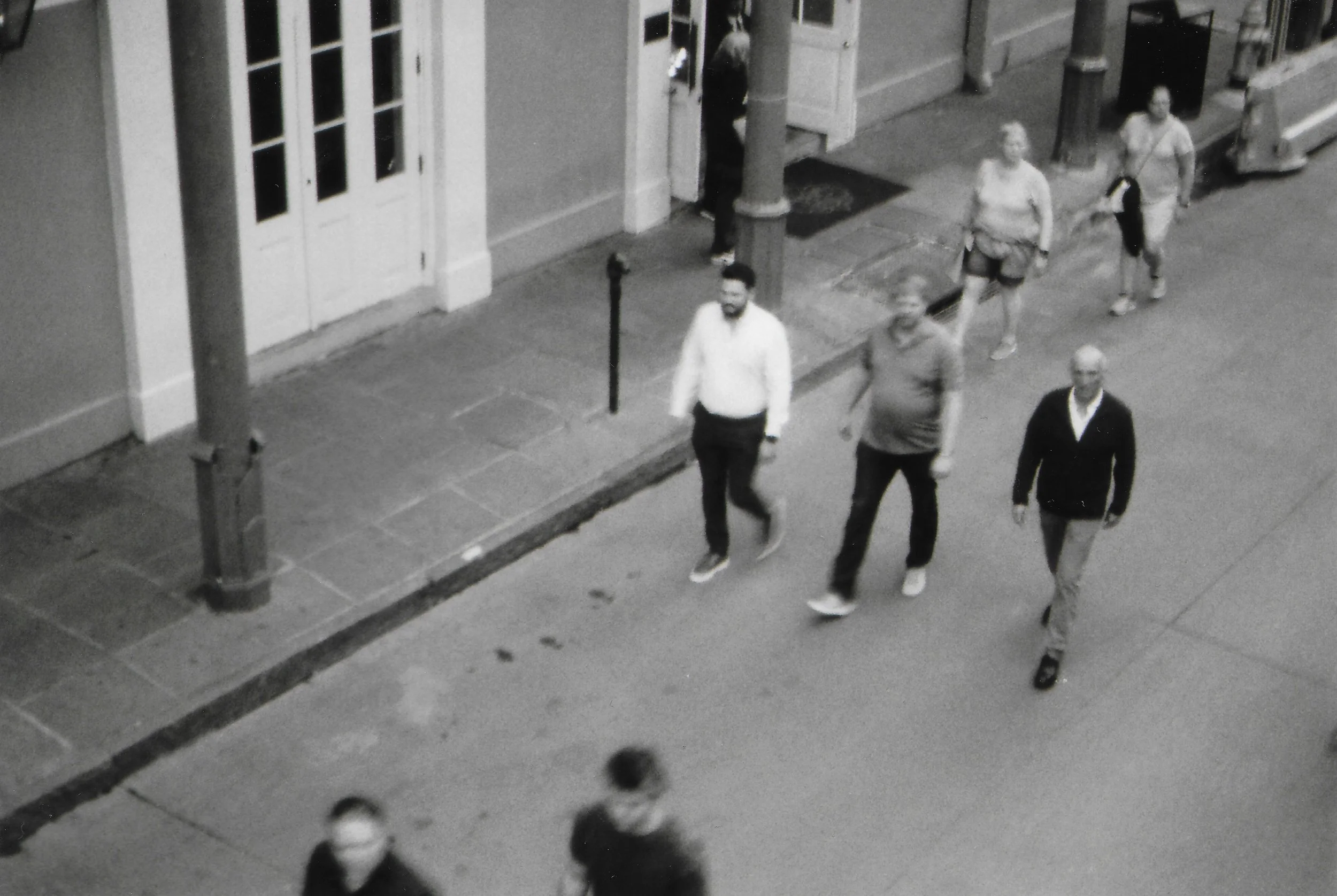
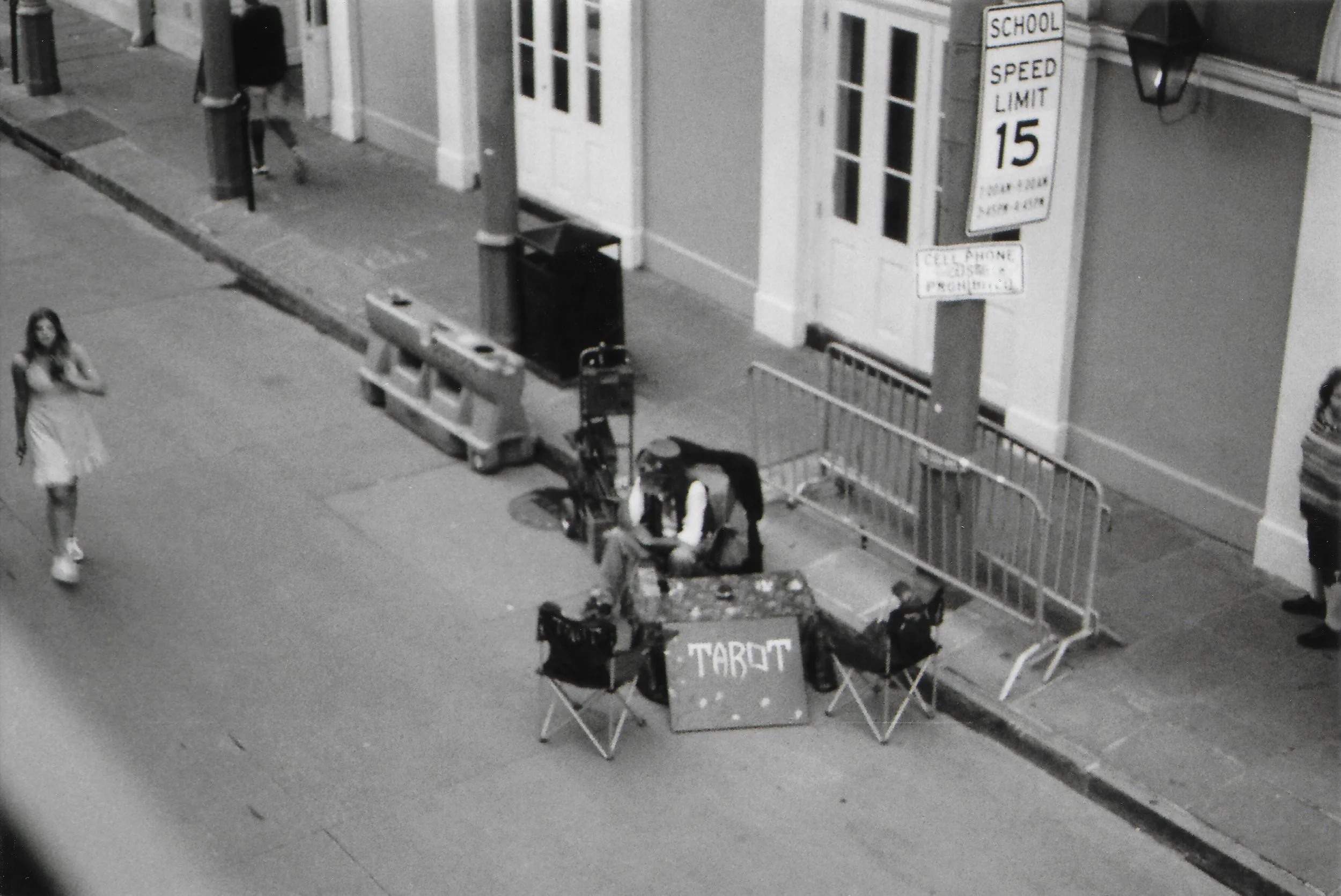
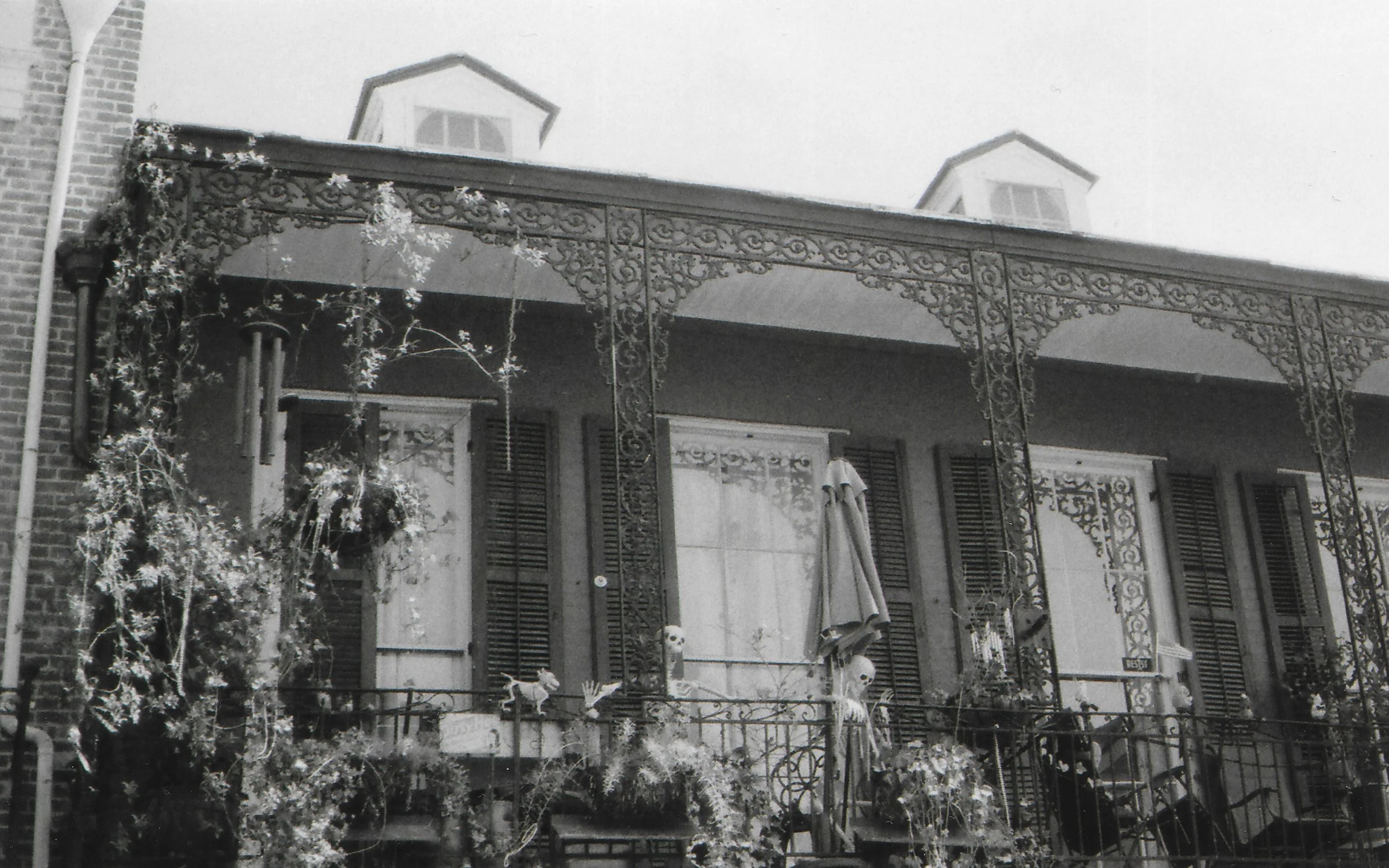
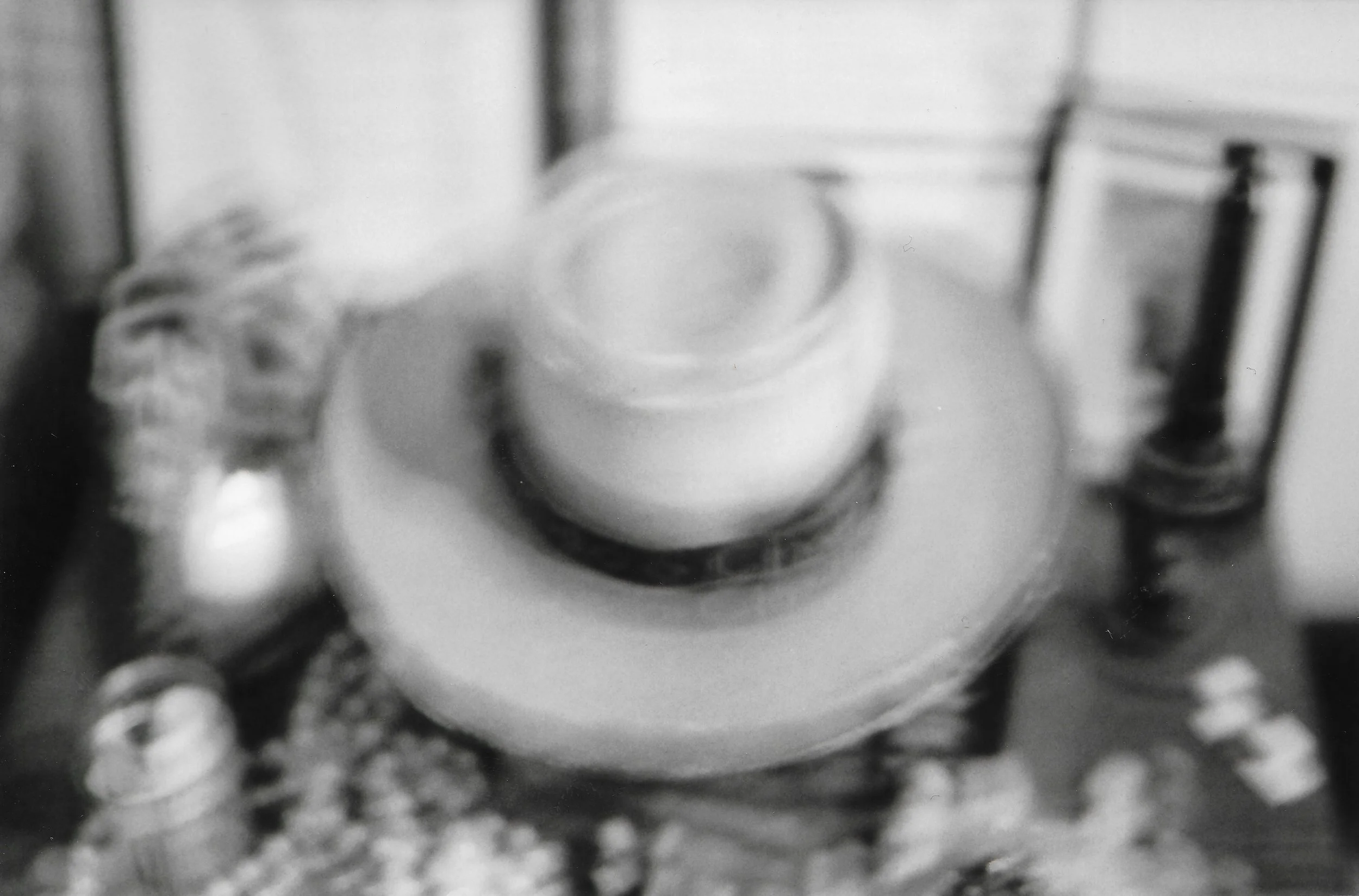
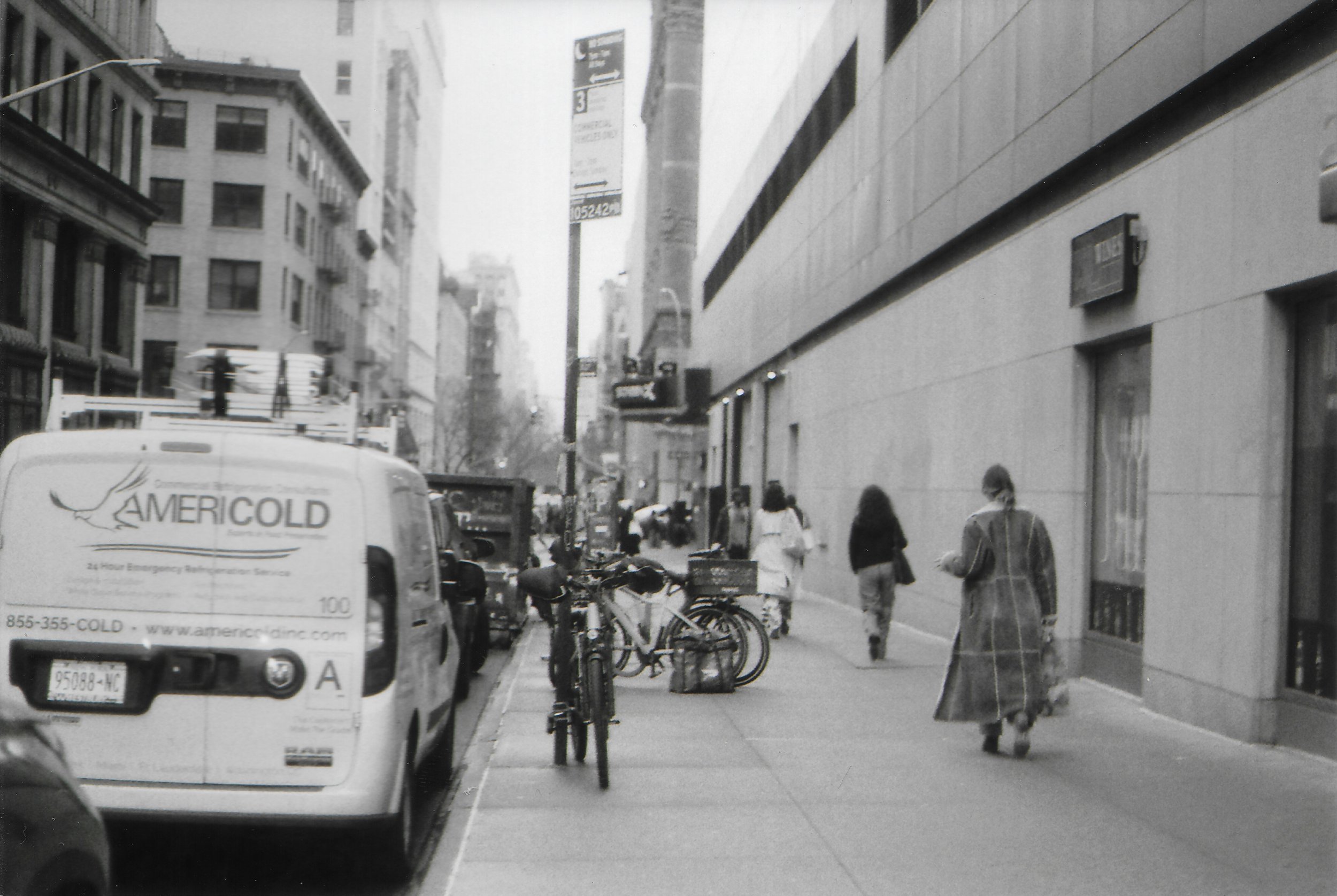
There was so much emotion wrapped up in something that, on the surface, was so simple. I was holding something she had held. I was using something she had used. I was participating in an activity that she had loved. And for a few hours, the distance between the life I have now and the life she had felt a little smaller.
It felt like she was right beside me.
Not in some dramatic or supernatural way. Just in that very human way that happens when something suddenly brings a person vividly back into your mind. I could imagine her excitement about taking a photograph. I could think about the kinds of things she might have noticed. I could picture her carrying this camera around and stopping to capture something she thought was beautiful.
And suddenly I wasn't just remembering that she was gone.
I was remembering that she was here.
That distinction meant everything to me.
Because sometimes grief can make a person feel defined by their absence. You remember the loss. You remember the finality of it. You remember all the things you wish you could have said or done differently. But every once in a while, something brings you back to the fact that before there was a loss, there was a whole life.
There was laughter. There were interests. There were ordinary afternoons. There were photographs taken just because something looked pretty. There were plans and routines and little moments that probably felt completely insignificant at the time.
And now, those moments are precious.
I've been thinking a lot about that lately, especially as I continue figuring out what I want this next chapter of my own life and creativity to look like. I'm in a season where I'm trying to create more honestly, live more intentionally, and stop worrying so much about whether every little thing I do makes sense to everyone else.
Maybe that's what growing older teaches you.
You start to understand that your life is made up of all these little pieces. The city you live in. The places you wander. The people you love. The things you make. The photographs you take. The memories you preserve. The objects you keep because they mean something to you, even if nobody else understands why.
And maybe our creative lives are, in some ways, just another form of remembering.
Every photograph says, I noticed this.
Every video says, I was here.
Every piece of writing says, I felt this.
Every little creative project is proof that we were paying attention to our own lives while we were living them.
I think that's what this camera has come to represent for me.
It's a piece of her, yes. But it's also a reminder to keep looking. To keep noticing. To keep creating. To keep documenting the ordinary beauty around me.
Especially here in New York, where there is always something happening around you. A woman laughing on the sidewalk. Someone reading a book on the train. The light hitting a Harlem brownstone just right. A coffee shop you walk past a hundred times before finally going inside. A summer afternoon that feels completely ordinary until you realize, years later, that you would give anything to experience that exact afternoon again.
Those are the moments I want to remember.
Those are the moments I want to make things about.
And maybe that's the most beautiful part of getting to use her camera again: I don't have to leave it sitting somewhere as a relic of the past.
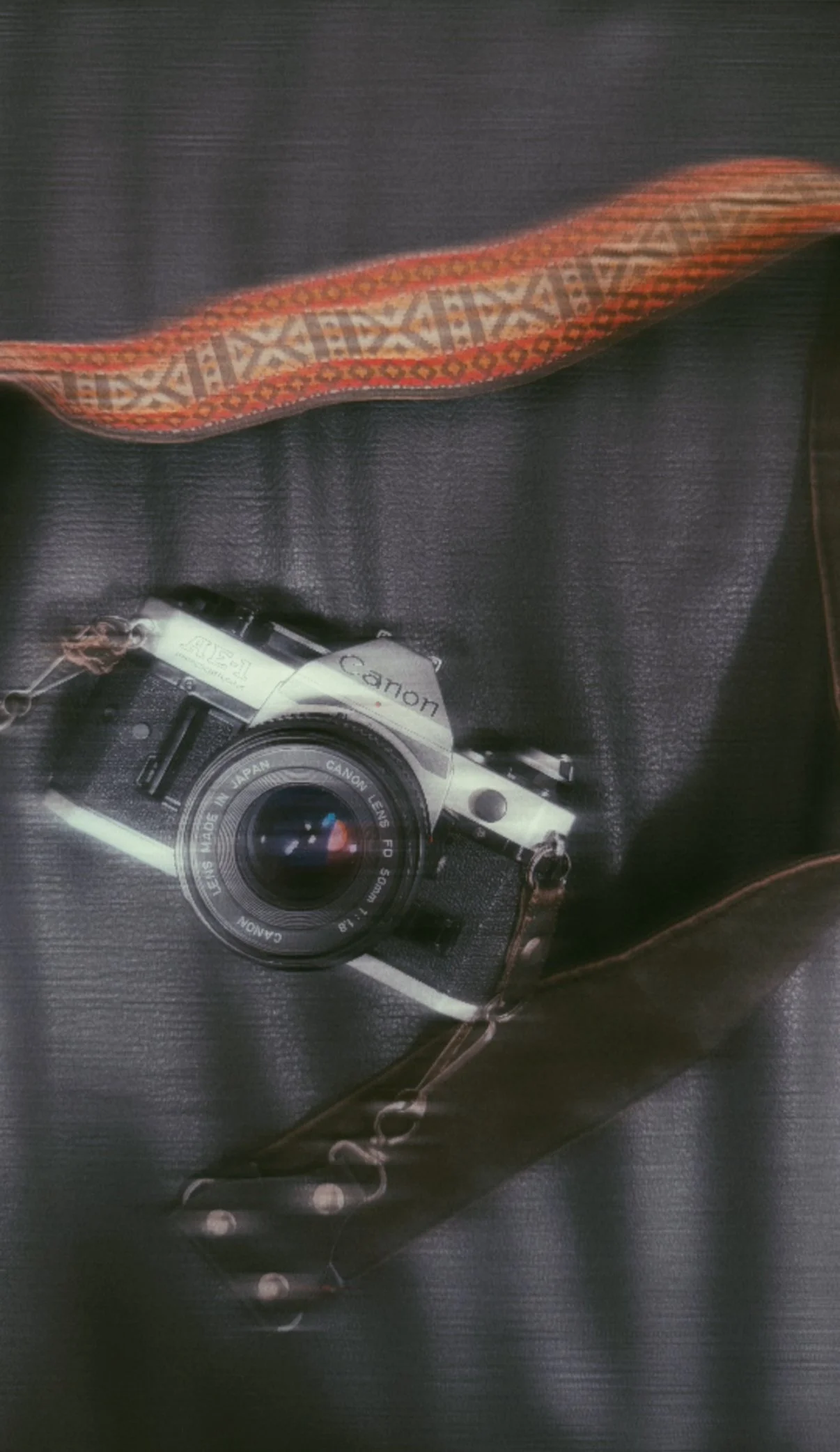
I get to take it with me.
I get to let it see new places.
I get to photograph a life she never got to see.
I get to add new memories to something that already carried so many of hers.
So yes, I cried while taking those first photographs.
But underneath the sadness, there was something else.
There was gratitude.
There was joy.
There was inspiration.
There was this tiny feeling that, somehow, something had come full circle.
She loved taking photographs. Now I'm taking photographs with the camera she once held. And maybe that's one of the ways we keep the people we love with us—not by refusing to move forward, but by allowing the things they gave us to move forward with us.
I'm not sure yet where this little camera is going to take me.
Maybe it'll become part of my creative life in a bigger way. Maybe I'll take it around New York and photograph the city through it. Maybe I'll document quiet moments that would otherwise disappear. Maybe I'll simply keep it somewhere special and bring it out whenever I feel like remembering her.
I don't know.
But I do know that I'm really glad I saved it.
I'm glad I took the time to restore it.
And I'm especially glad that, after all these years, I finally picked it up, looked through the lens, and decided to see what the world looked like from the other side.
For a few hours, it felt like I wasn't just taking pictures.
It felt like I was carrying a little piece of her with me.
And honestly, I think that's a pretty beautiful thing.
DISCLOSURE: SOME OF THE LINKS IN THIS POST ARE AFFILIATE LINKS AND IF YOU CLICK THROUGH OR MAKE A PURCHASE I WILL EARN A COMMISSION. PLEASE KEEP IN MIND THAT I ONLY SHARE ABOUT BRANDS/COMPANIES THAT I ADORE VERY MUCH.
Turning 30 felt like it was supposed to come with answers.
At least, that's what I thought.
For so long, 30 seemed like this magical age where you were supposed to have everything figured out. You'd know who you were, what you wanted, who you wanted to spend your life with, what your career looked like, and probably have a beautifully decorated apartment and a retirement account while you were at it.
And then I actually turned 30.
Spoiler alert: I did not have everything figured out.
But I did have something arguably better: perspective.